EXHIBITION DATES : In person and online from 11/9 – 31/10
FOR PRESS RELEASE : click here

Anima Mundi are honoured to present ‘Etemenanki’ alongside the launch of Richard Nott’s monograph ‘Vestige’ published by Samson & Co.
The book is the first on the artist to be published, acting as both a documentation and a celebration of Nott’s life and work, bringing together a substantial range of artwork and archival imagery alongside an essay by Tess Charnley and a foreword by Joseph Clarke.
To order the softback or hardback edition click here
INTRODUCTION :
These are Richard Nott’s final paintings.
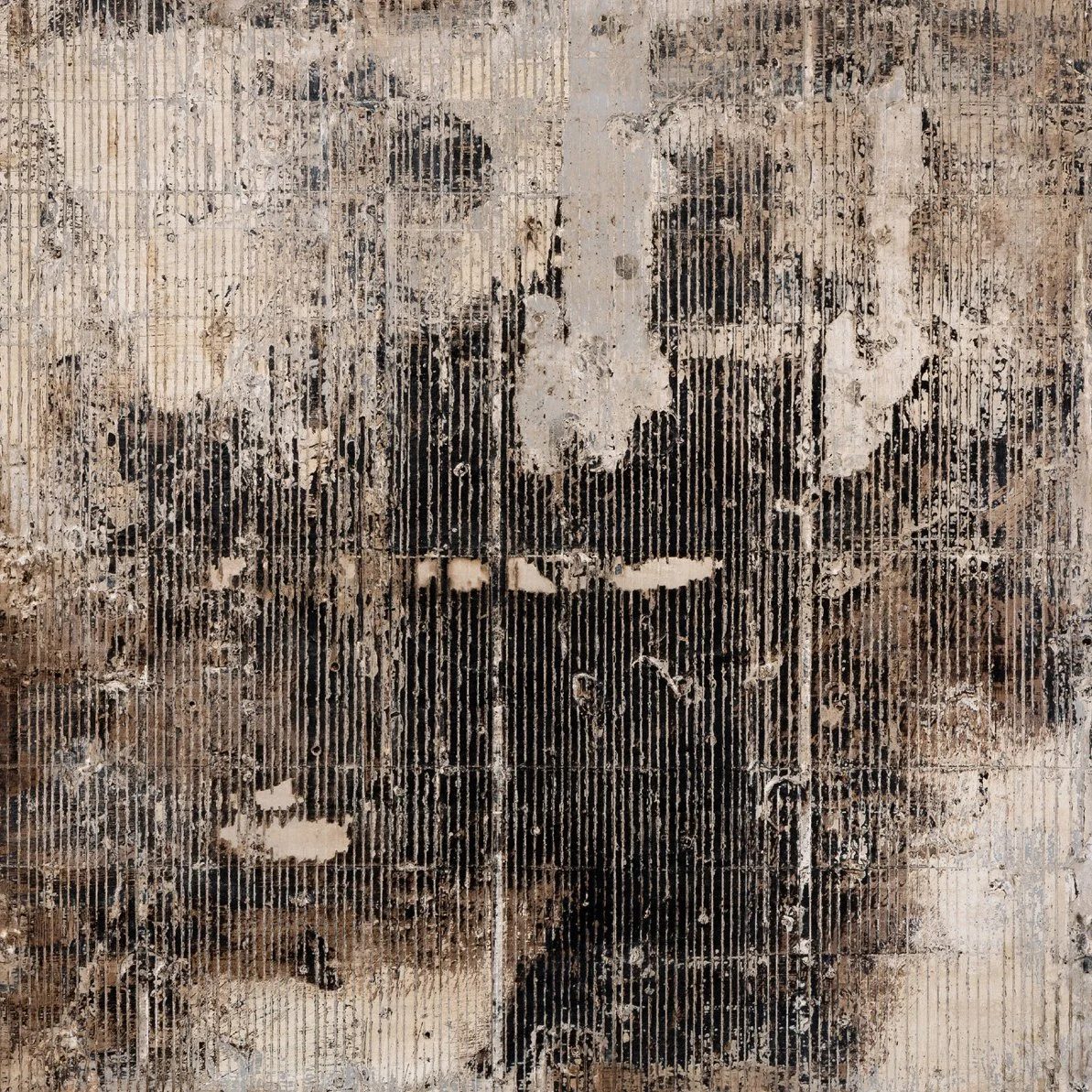
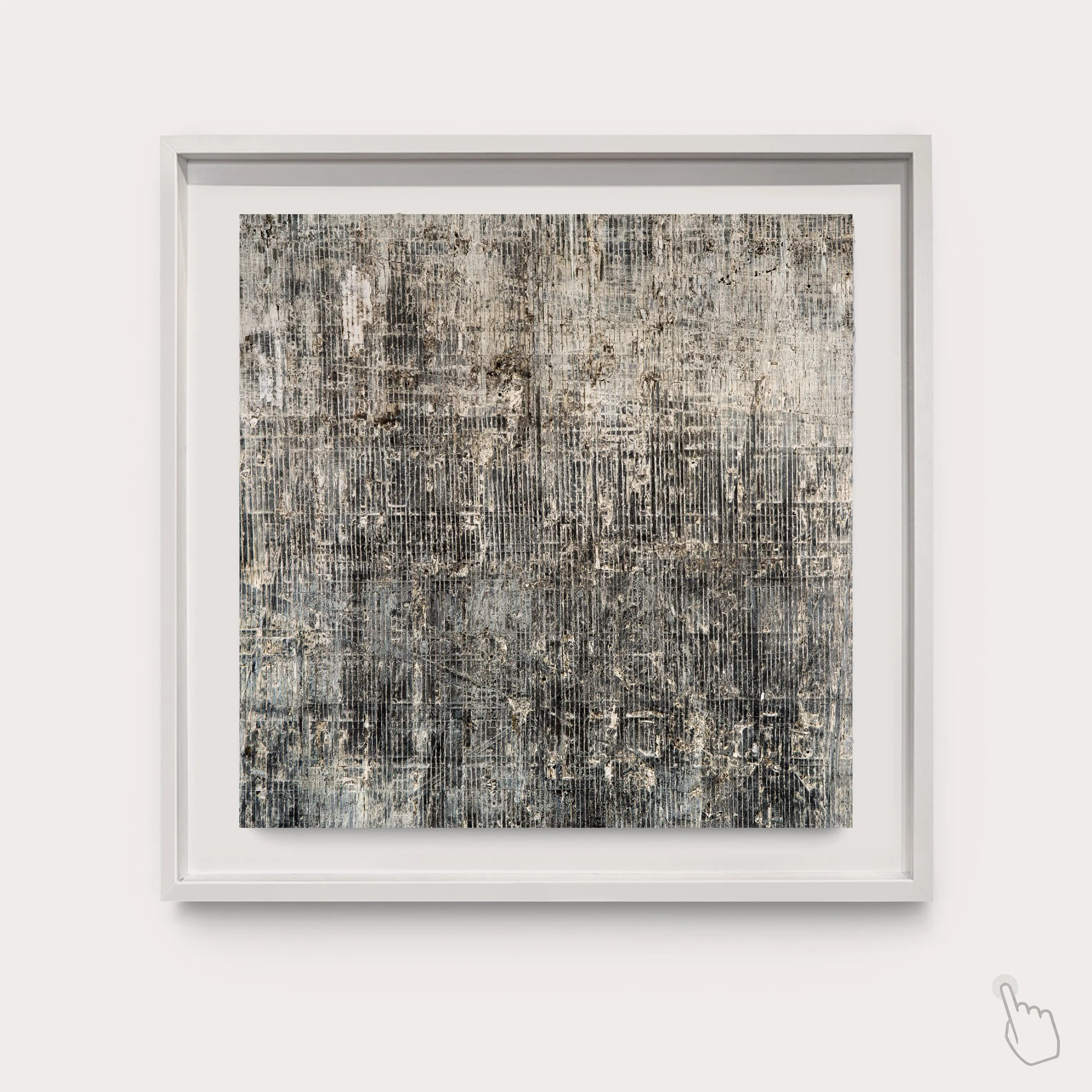
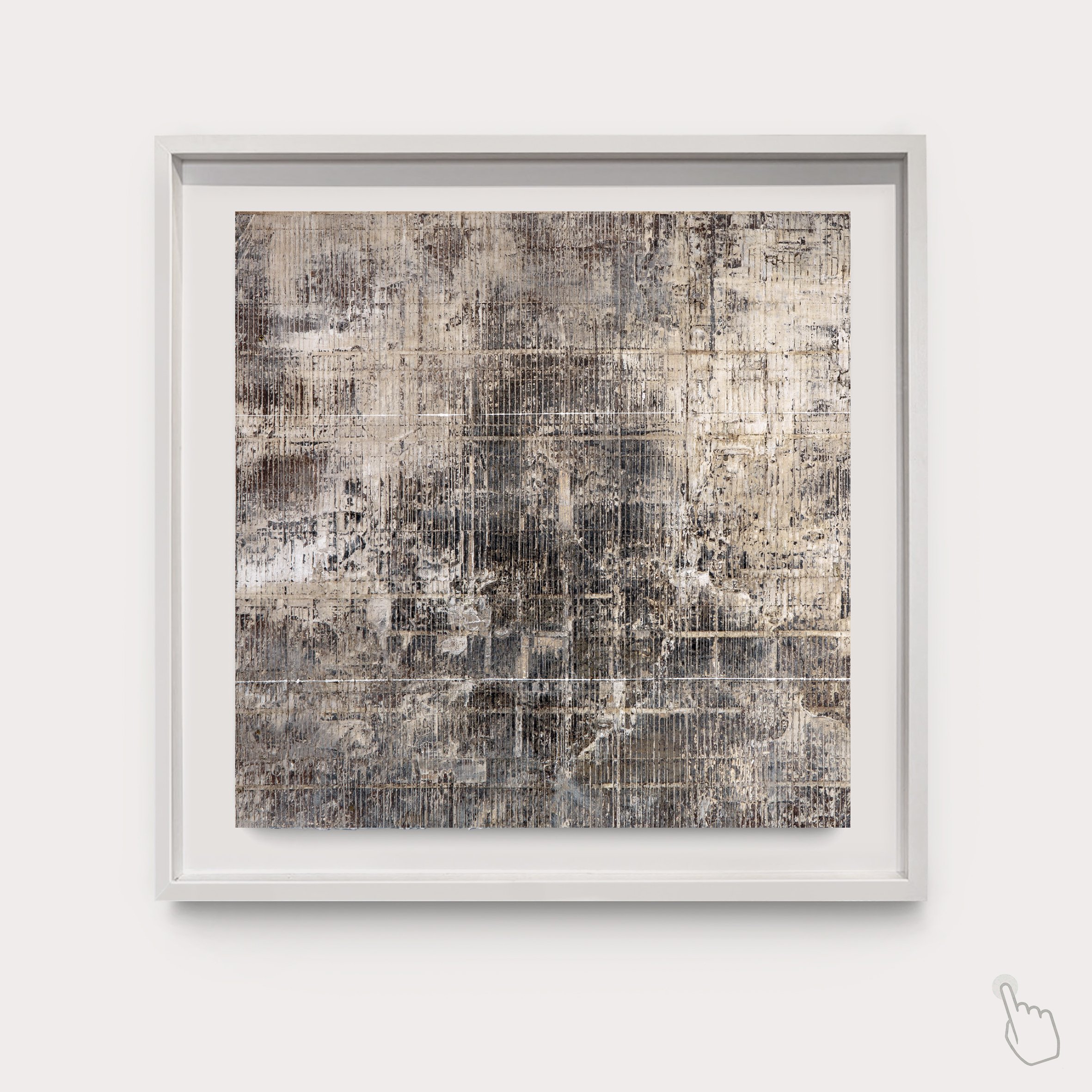
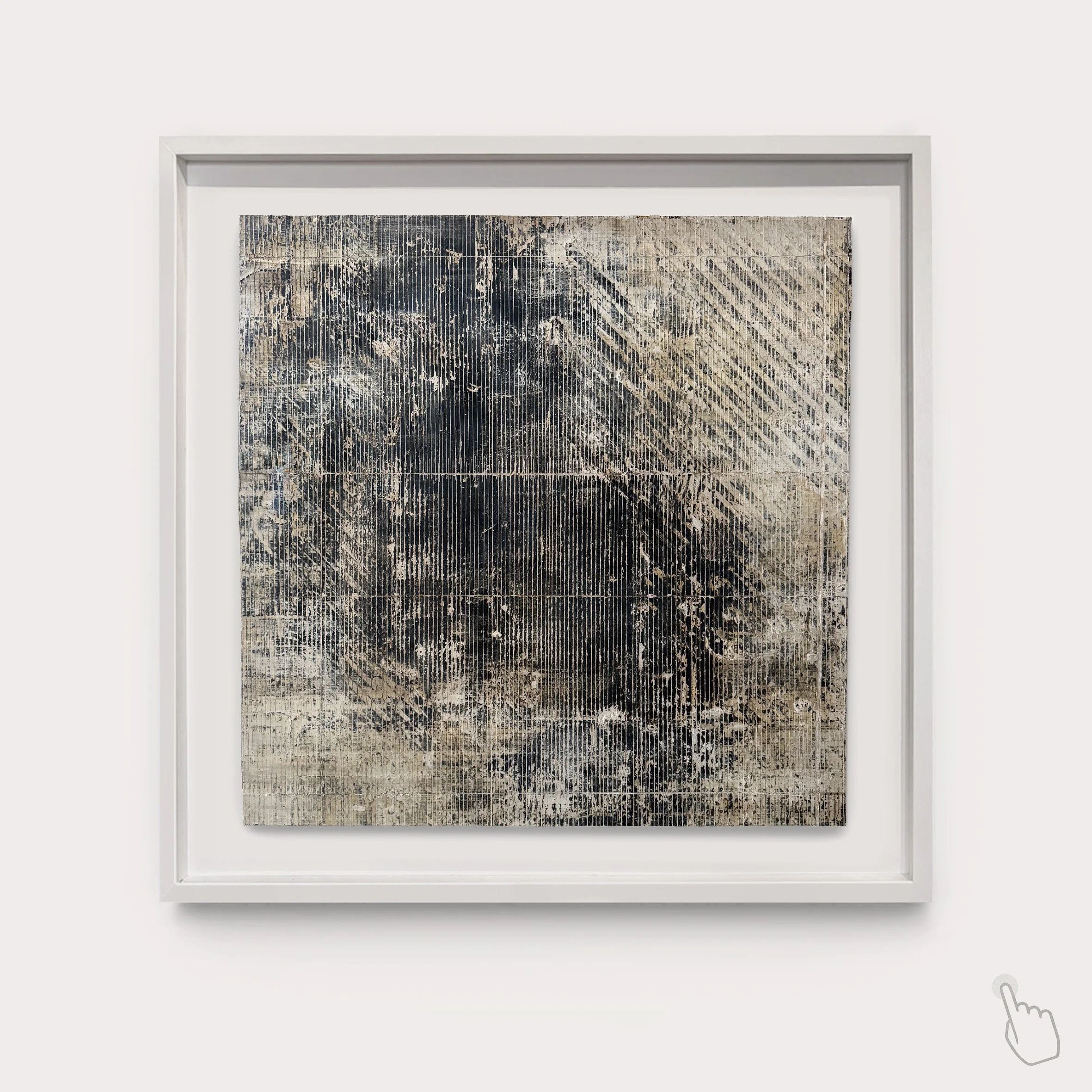
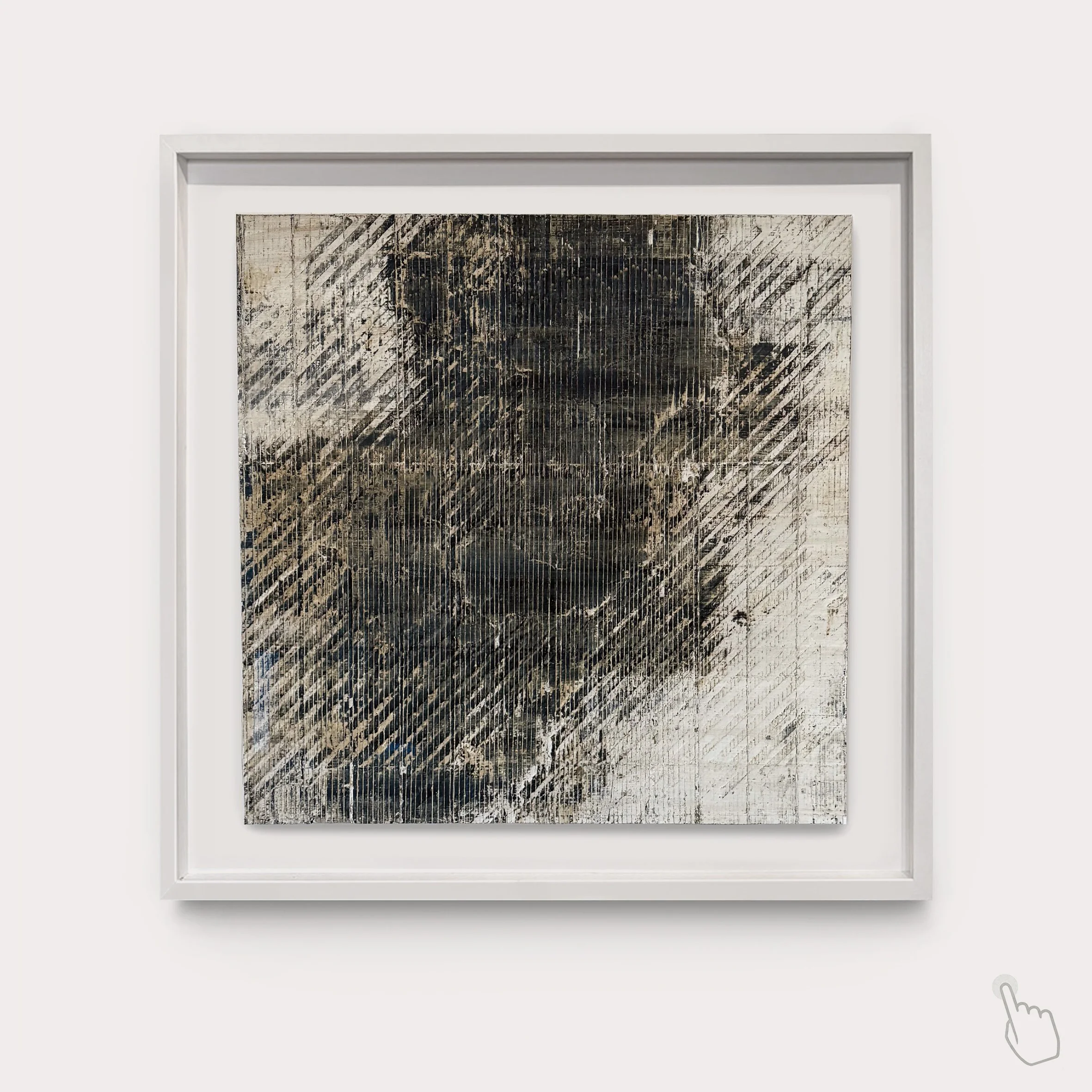
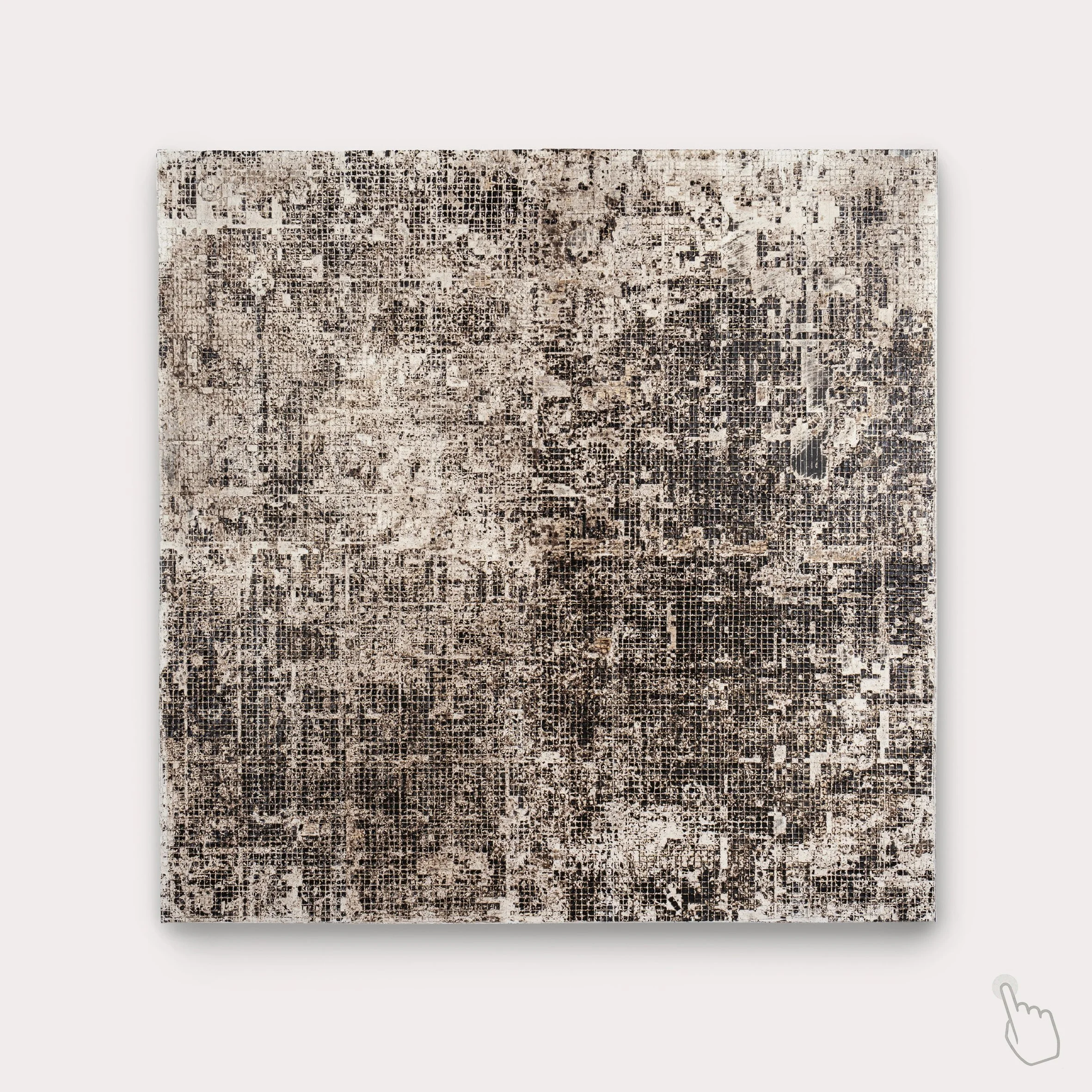
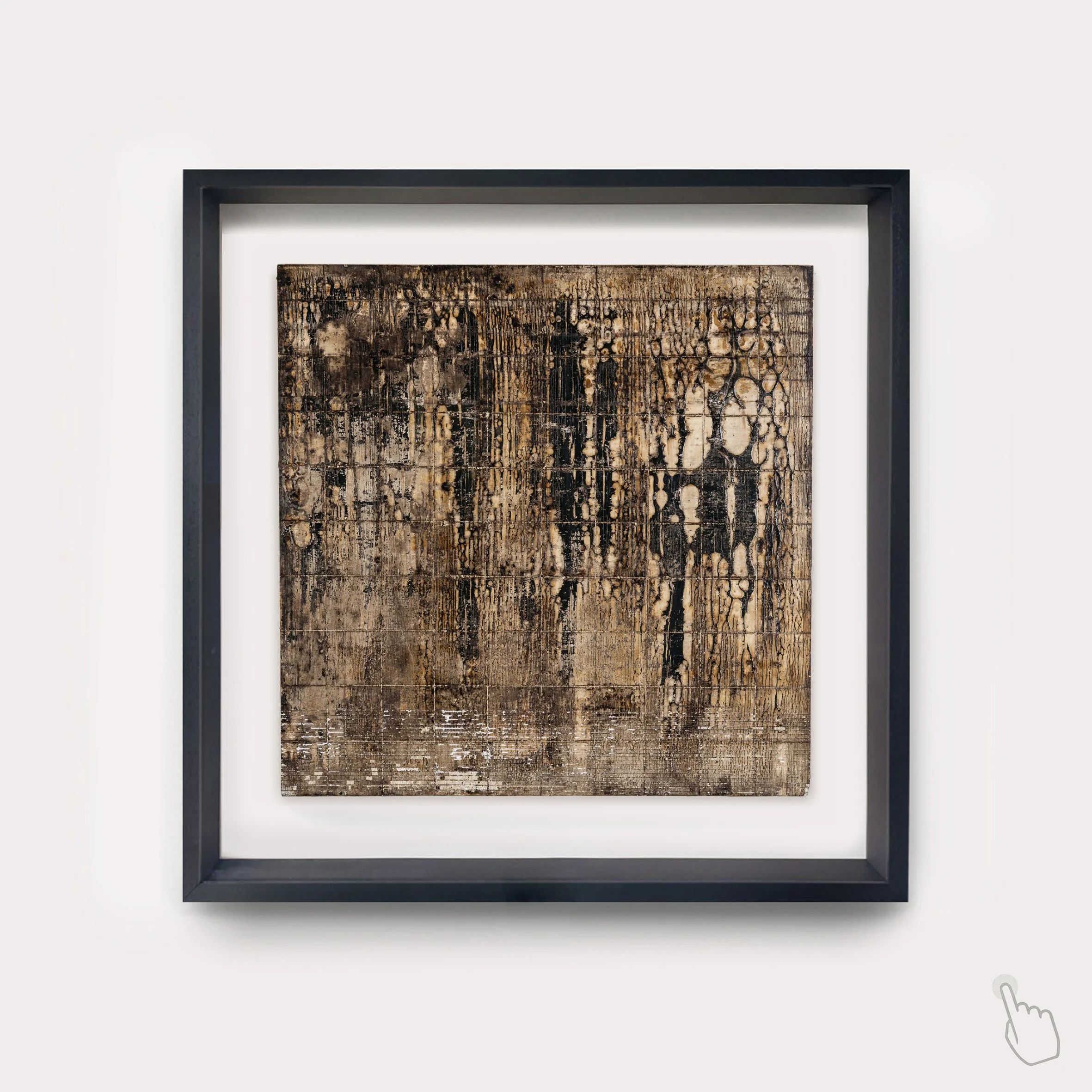
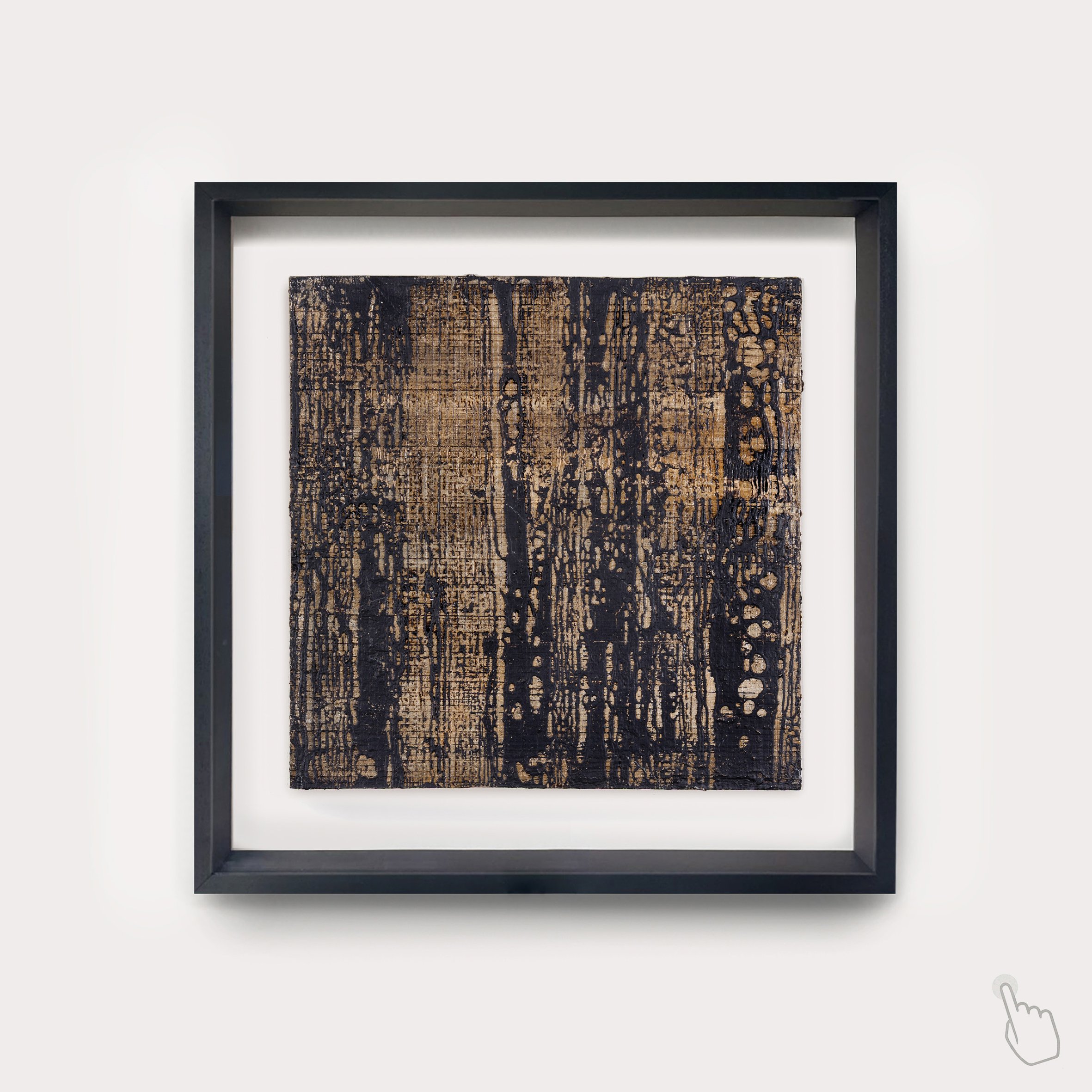
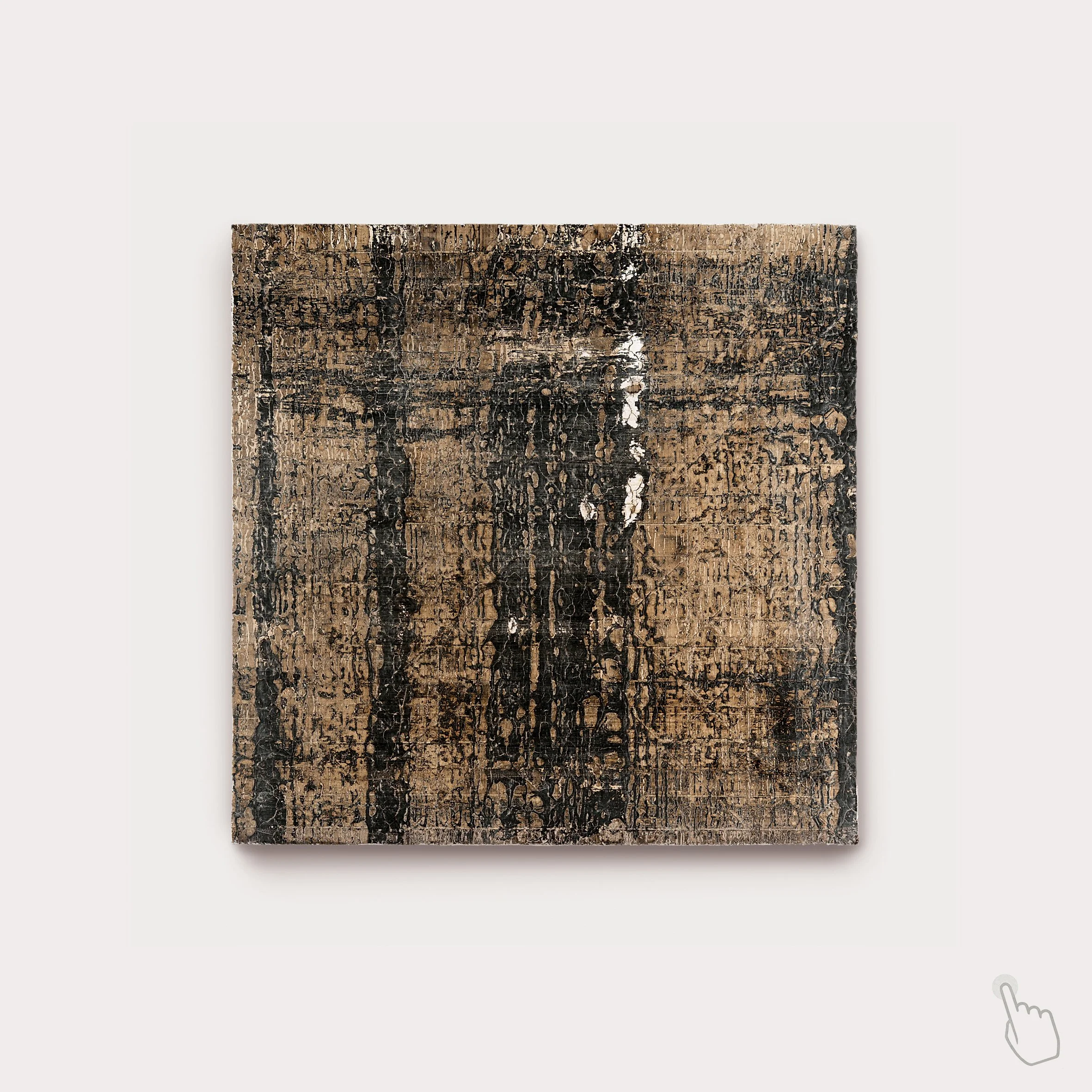
Throughout his life, Richard’s work was concerned with accumulation: material laid upon material, structures established and disrupted, surfaces repeatedly buried then excavated. A painting was never simply made. It was subjected to duration and became a product of time. A surface emerged, disappeared and was re-revealed, altered by its journey; each intervention left behind some evidence of what had preceded it. These works contain ruin and their own attempts at reconstruction. Anastylosis: the rebuilding of something ruined from its surviving fragments. Richard understood destruction not as the opposite of making, but as a necessary part of it. To cut, scrape away, burn, fracture or obliterate could reveal another possibility. What had been lost became material for what followed....
Throughout his life, Richard’s work was concerned with accumulation: material laid upon material, structures established and disrupted, surfaces repeatedly buried then excavated. A painting was never simply made. It was subjected to duration and became a product of time. A surface emerged, disappeared and was re-revealed, altered by its journey; each intervention left behind some evidence of what had preceded it. These works contain ruin and their own attempts at reconstruction. Anastylosis: the rebuilding of something ruined from its surviving fragments. Richard understood destruction not as the opposite of making, but as a necessary part of it. To cut, scrape away, burn, fracture or obliterate could reveal another possibility. What had been lost became material for what followed....
Read more/less
A hard surface can suggest soft tissue. Veneer becomes skin. A scratch - a wound. Damage can be a point of rebuilding. Trabeculae, Reticulum, Stroma, Rhytidome, Cicatrix, Lacunae, Osteon, Haemolysis. Framework, network, supporting tissue, bark, scar, cavity, dissolution. These titles were not conceived as a programme from which the paintings were made. As always with Richard, they came afterwards. But together they seem to describe a world in which body, material and structure became increasingly connected.
Etemenanki was the name given to the great ziggurat of Babylon, often associated with the biblical Tower of Babel. It was not simply a building, but an attempt to establish a connection between the material world and something beyond it. Richard had always constructed his paintings as much as he painted them. A logical structure danced with its twin sister chaos. In the works that borrow the exhibition title, these structures become increasingly precarious. The form is pushed towards the limits of what it can sustain - perilous, unstable, perhaps on the threshold of collapse.
It is difficult to encounter these paintings without knowledge of the circumstances in which they were made. Richard was seriously ill for the last six years of his life, and making all of these works demanded an increasing physical determination. Yet it would be reductive to read the works simply as representations of illness. Richard had spent decades developing this language of accumulation, erosion, instability and renewal. What changed, and became even more extraordinary, was the intensity with which life and the processes already present within the paintings began to coincide.
Perhaps that is why these works can appear at once so fragile and so extraordinarily resilient. They do not resolve themselves. They hold together while acknowledging the possibility of fracture. Voids remain voids. Scars are not concealed. What has disappeared is allowed to leave its trace. Eidolon. Vestige. An image of what is absent; a trace of what remains. They hold within them the complexity of what it is to be human. They embody hope, spirit and determination. They are the material manifestation of a life force determined to endure.
Richard once said of his work, “Just keep working on it, working on yourself. I am making myself.” He continued to do precisely that, with profound and extraordinary persistence, despite everything his body demanded of him, right up until the end. These paintings are the final evidence of that process. Not conclusions, because Richard had little interest in conclusions, and they are certainly not paintings that were concerned with reaching an intended state of completion. Instead, they are objects arrested in the act of their own becoming: built, excavated, damaged, repaired and transformed. Albedo: purification following dissolution. They are what remained when Richard finally had to stop. Yet through their existence he leaves a trace of himself behind here with us.
Joseph Clarke, 2026

ONLINE CATALOGUE :
“The crow wish’d every thing was black,
the owl, that every thing was white.”
EXHIBITION ARTWORKS (CLICK FOR FULL DETAILS) :
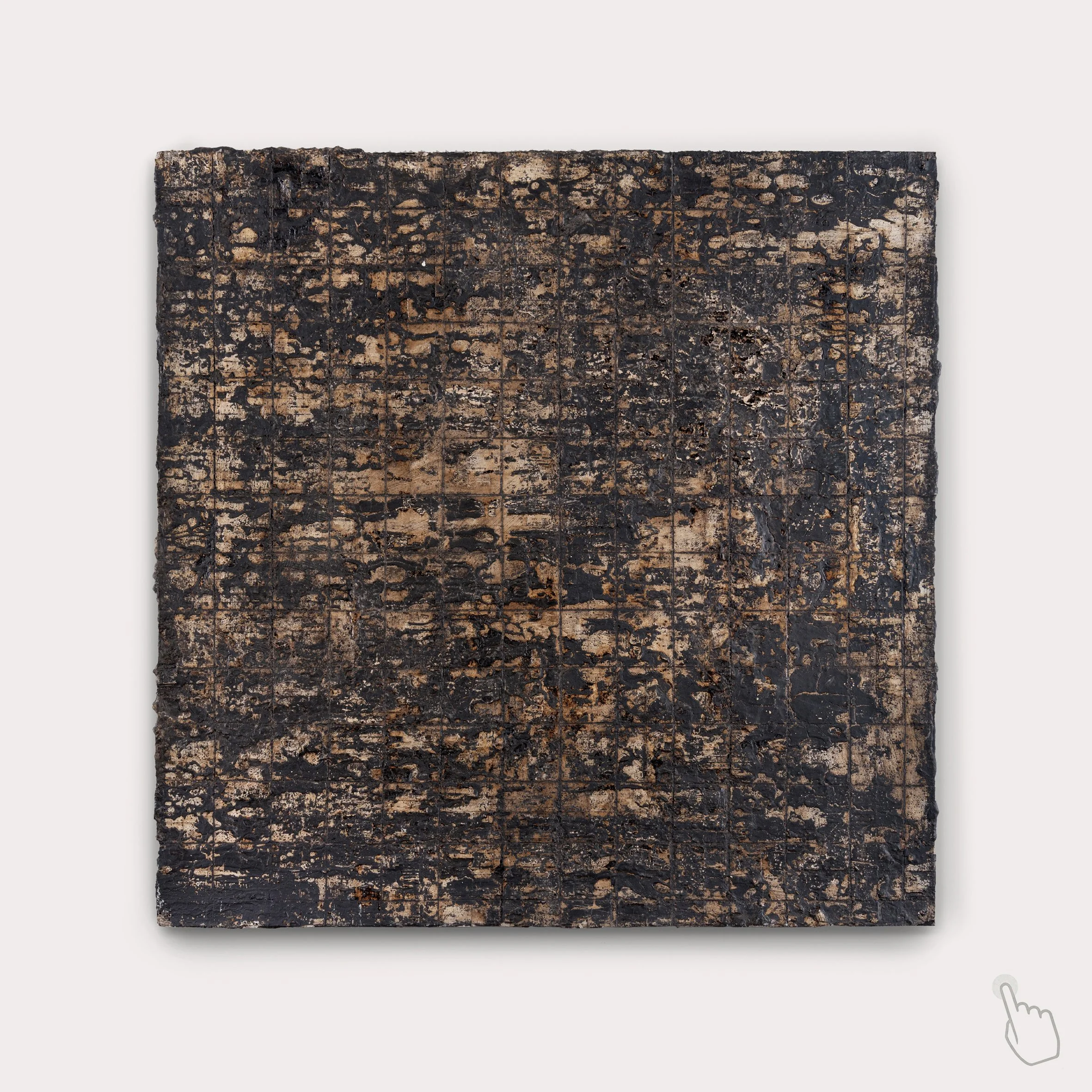
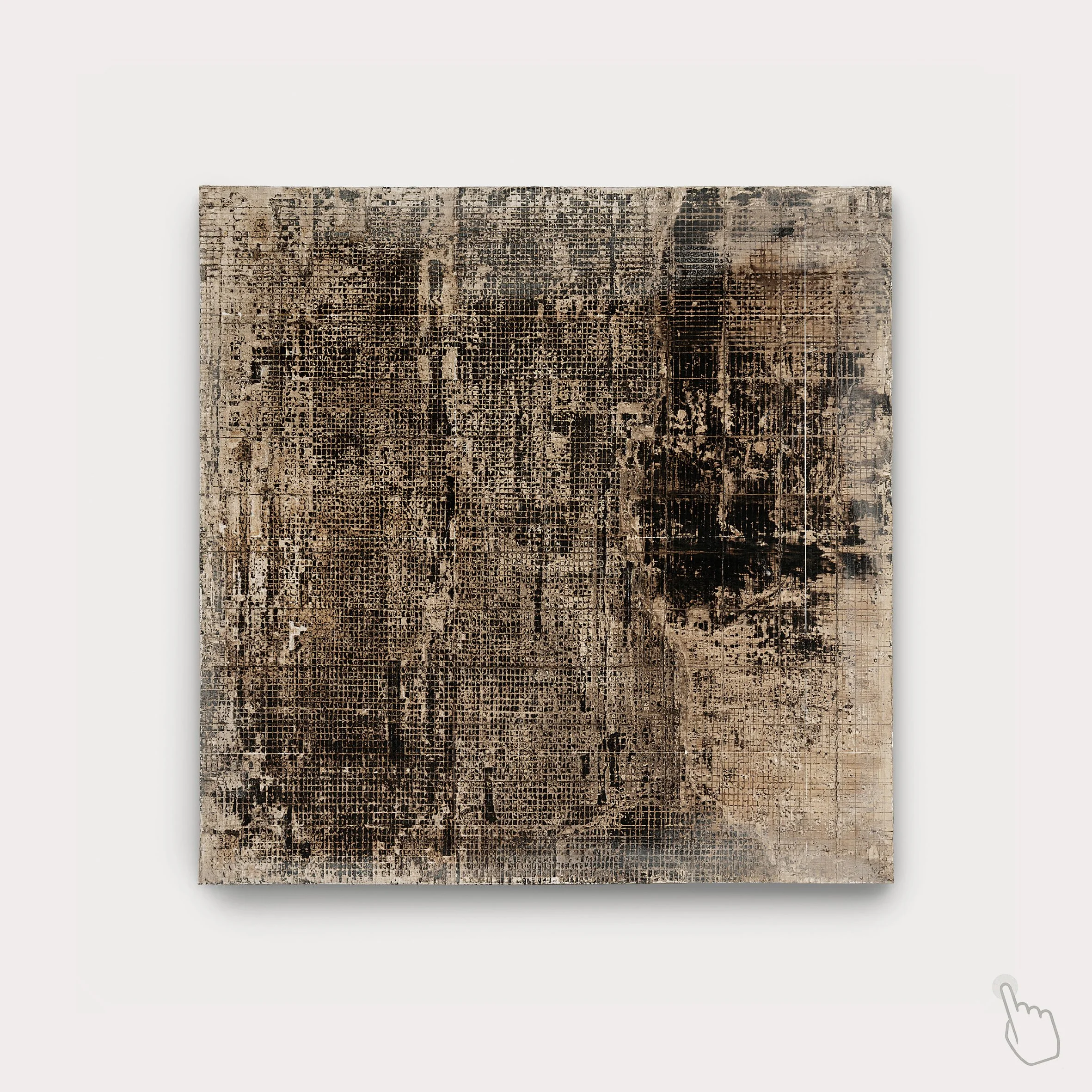
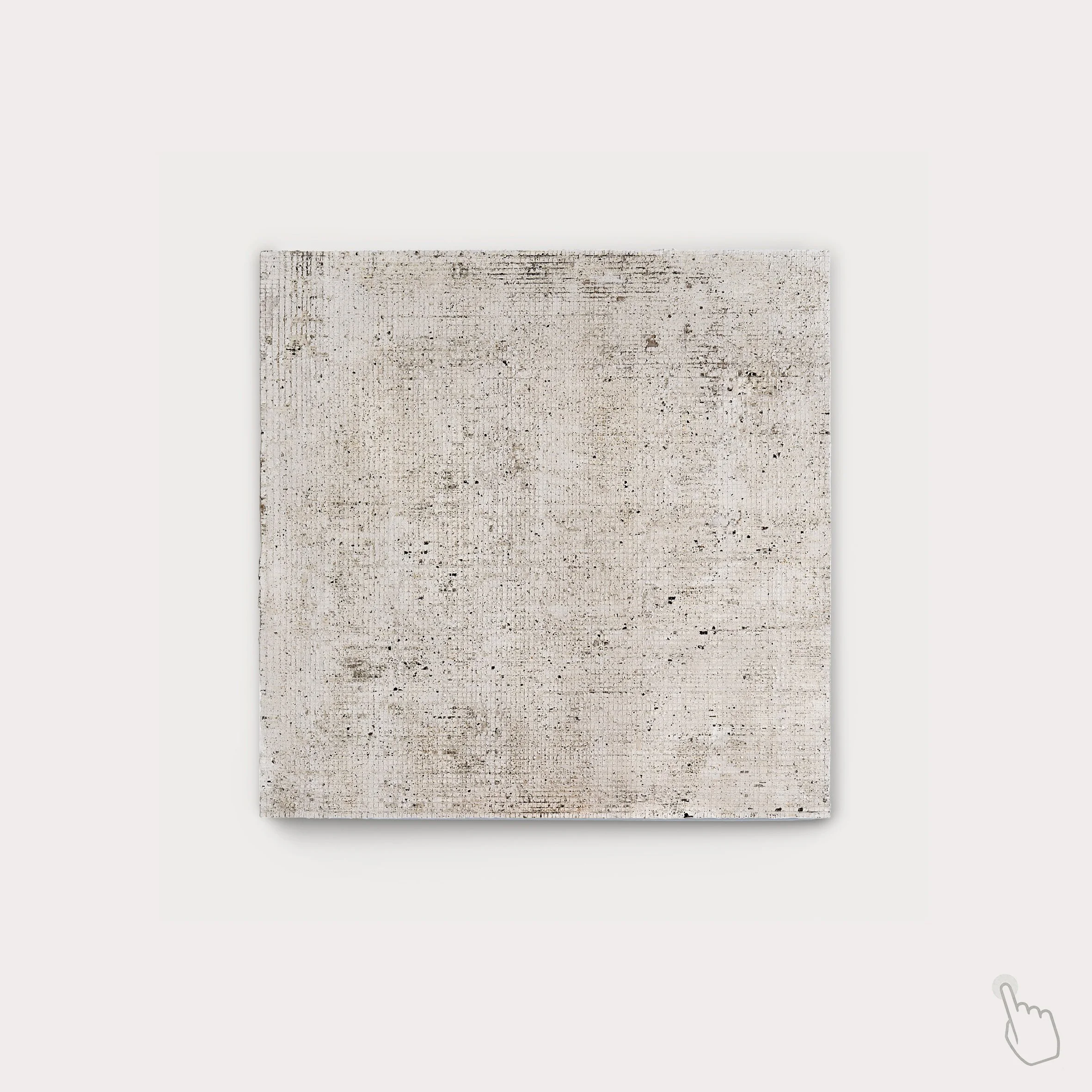
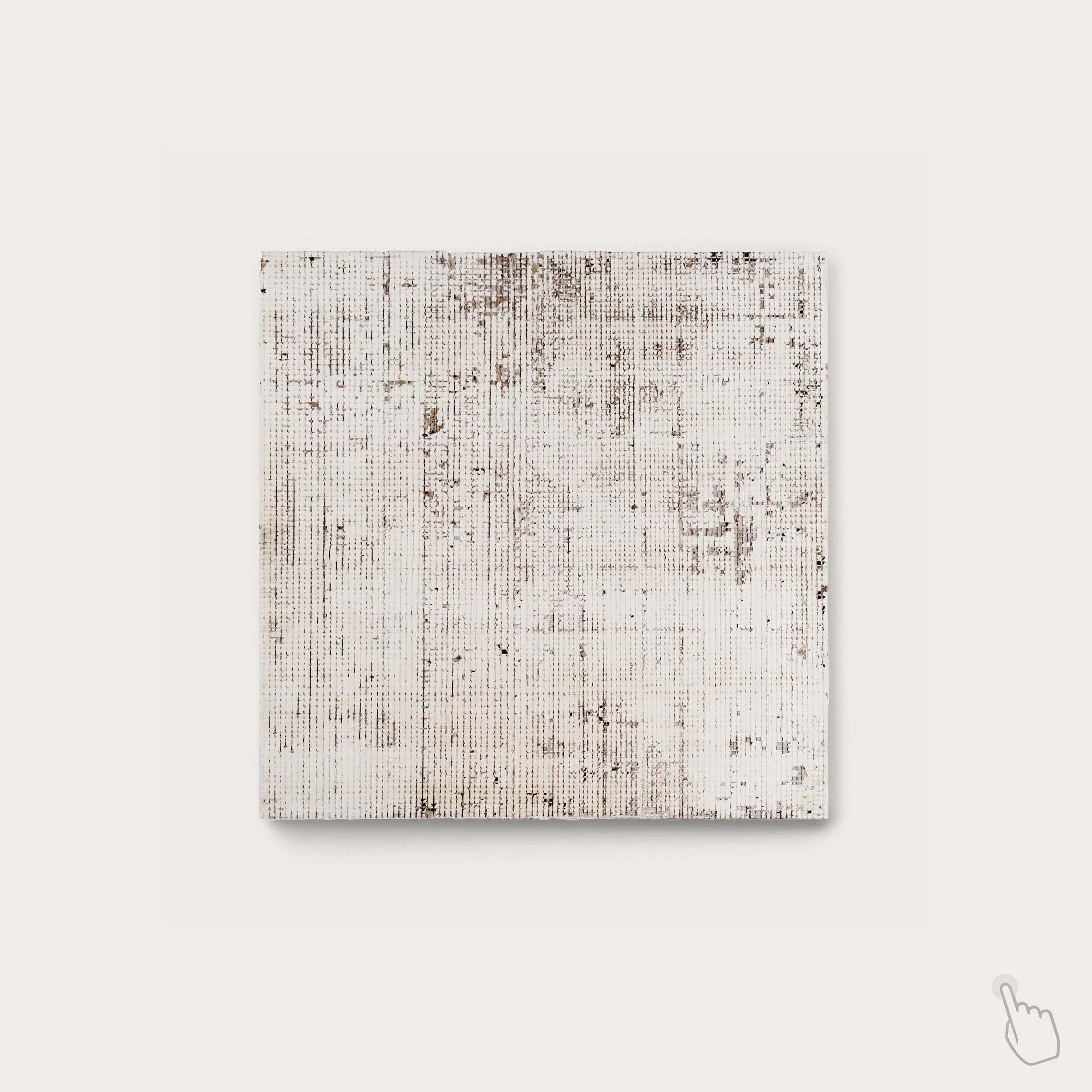
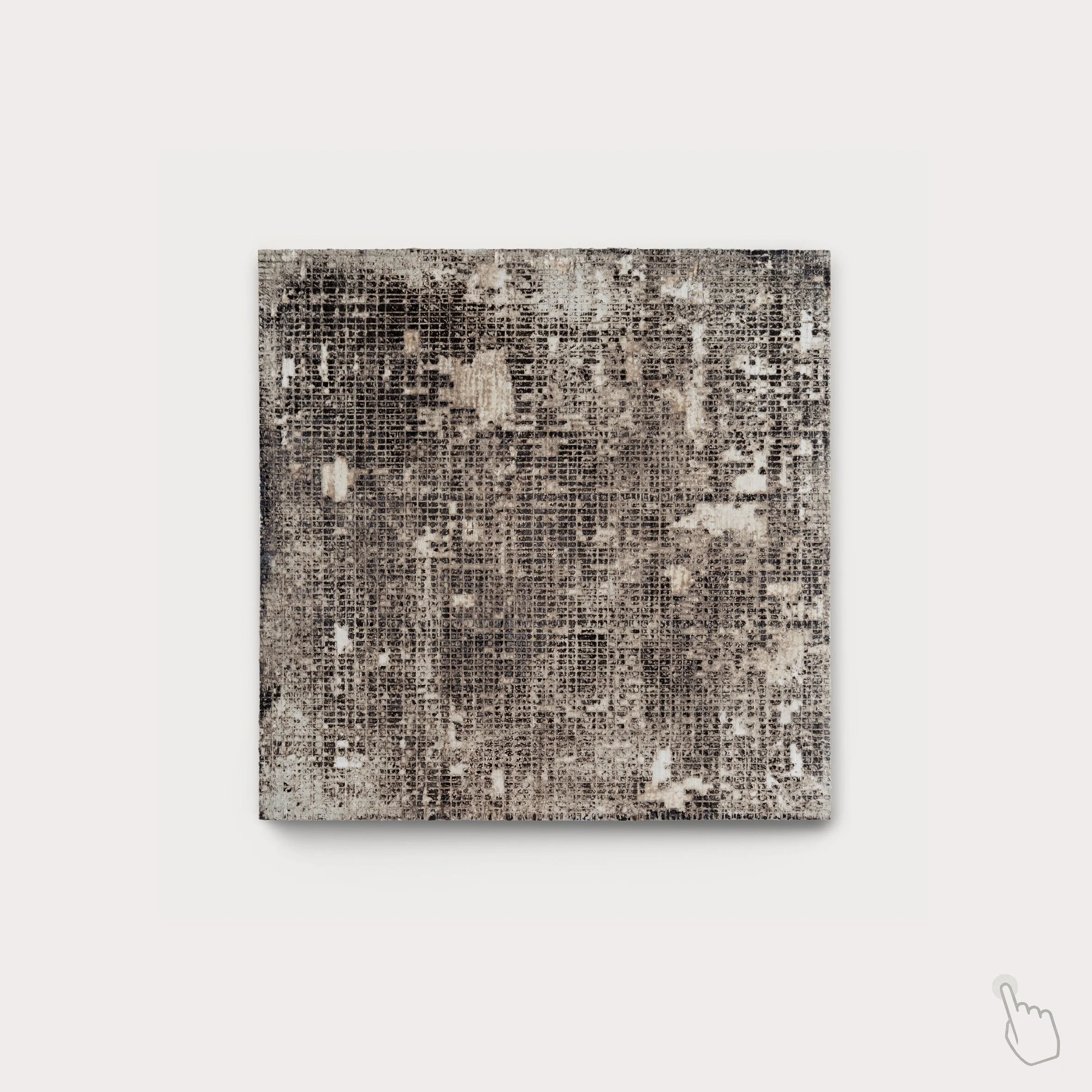
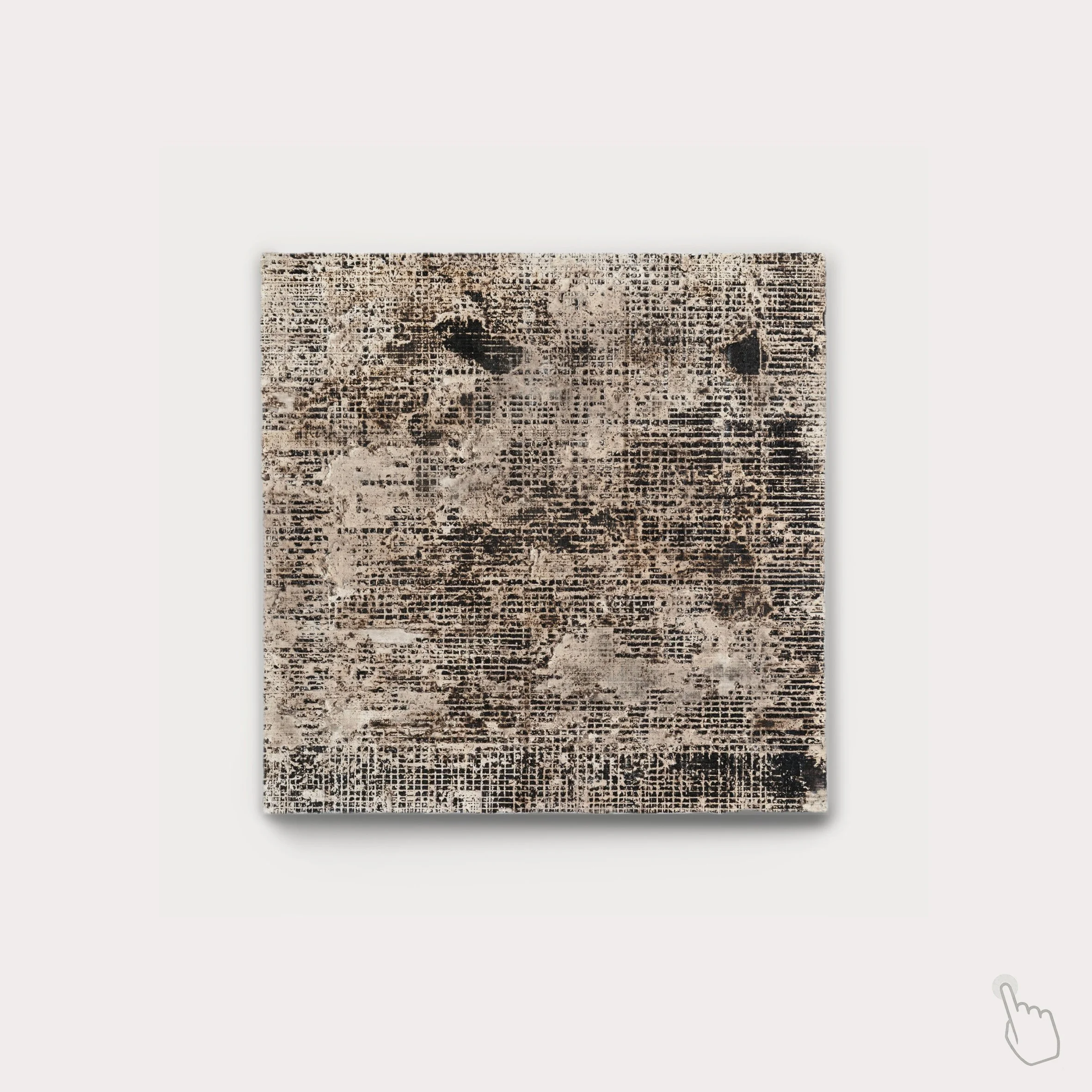
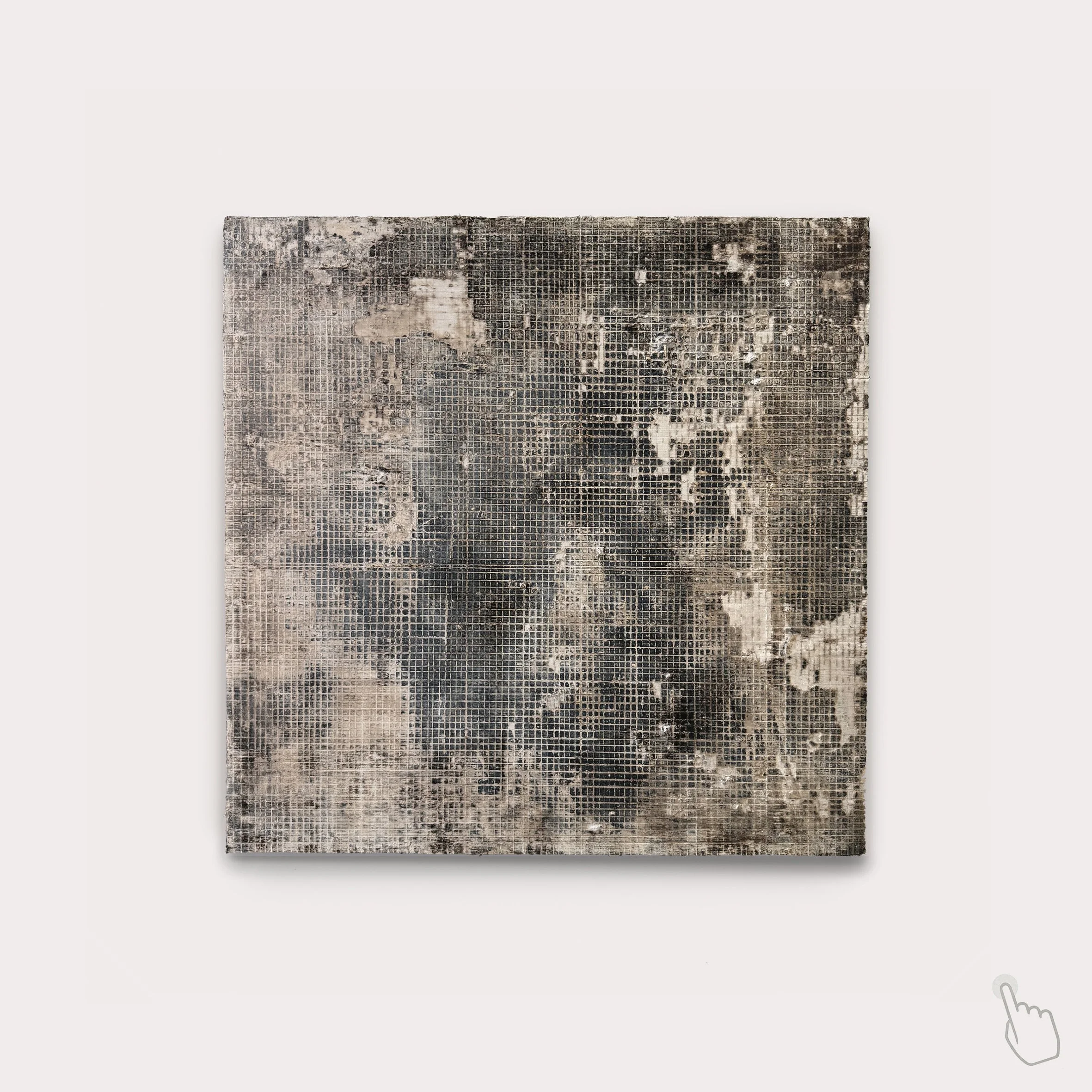
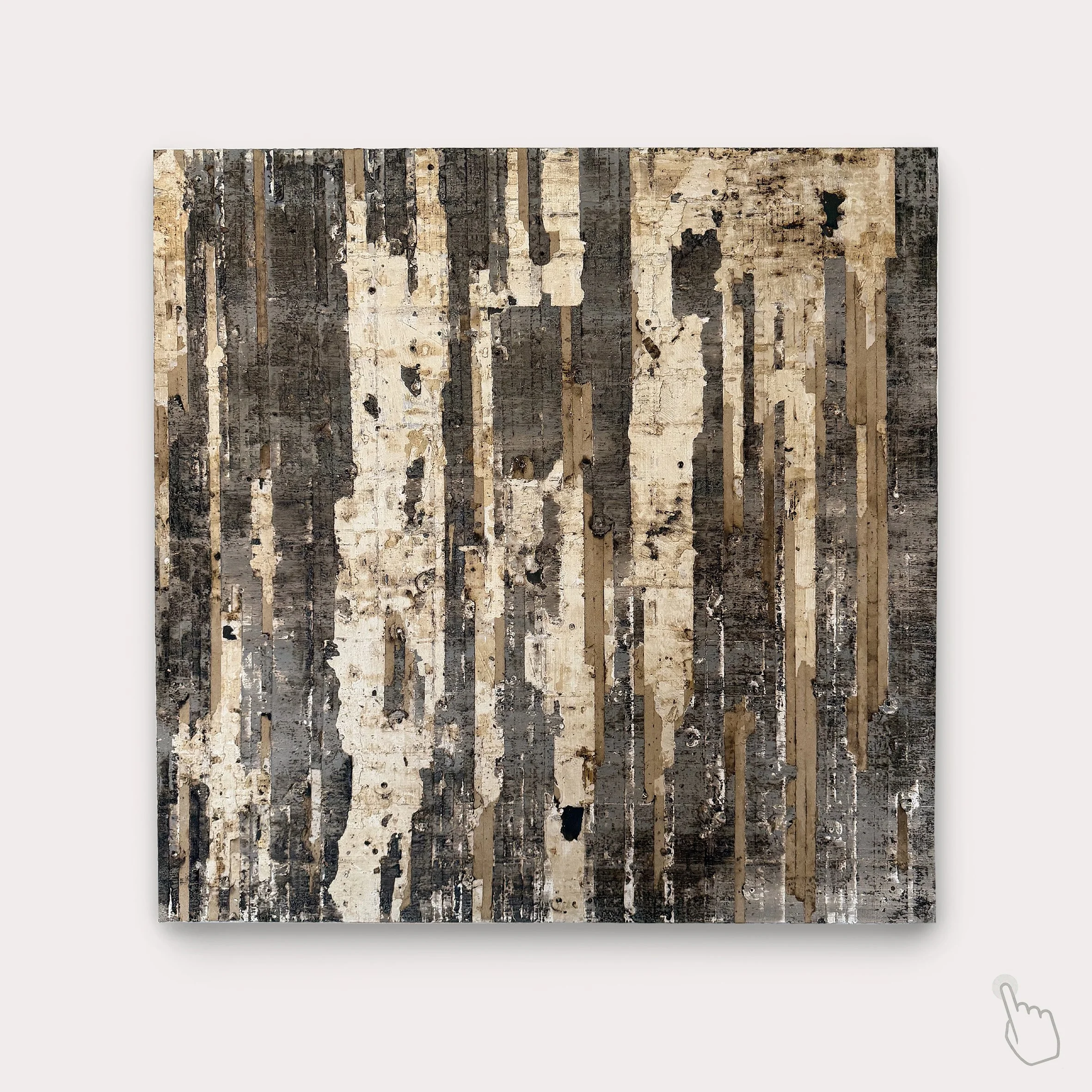
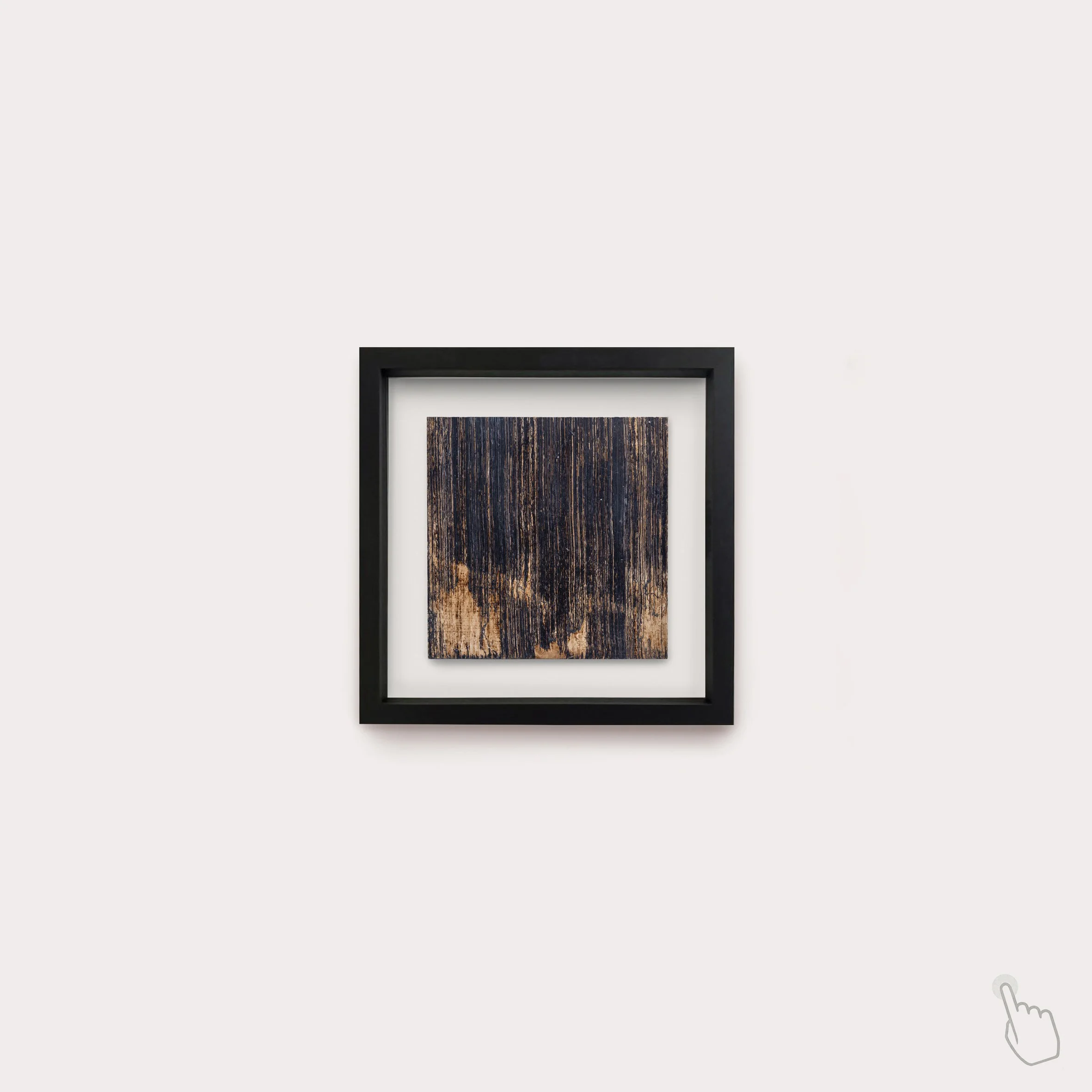
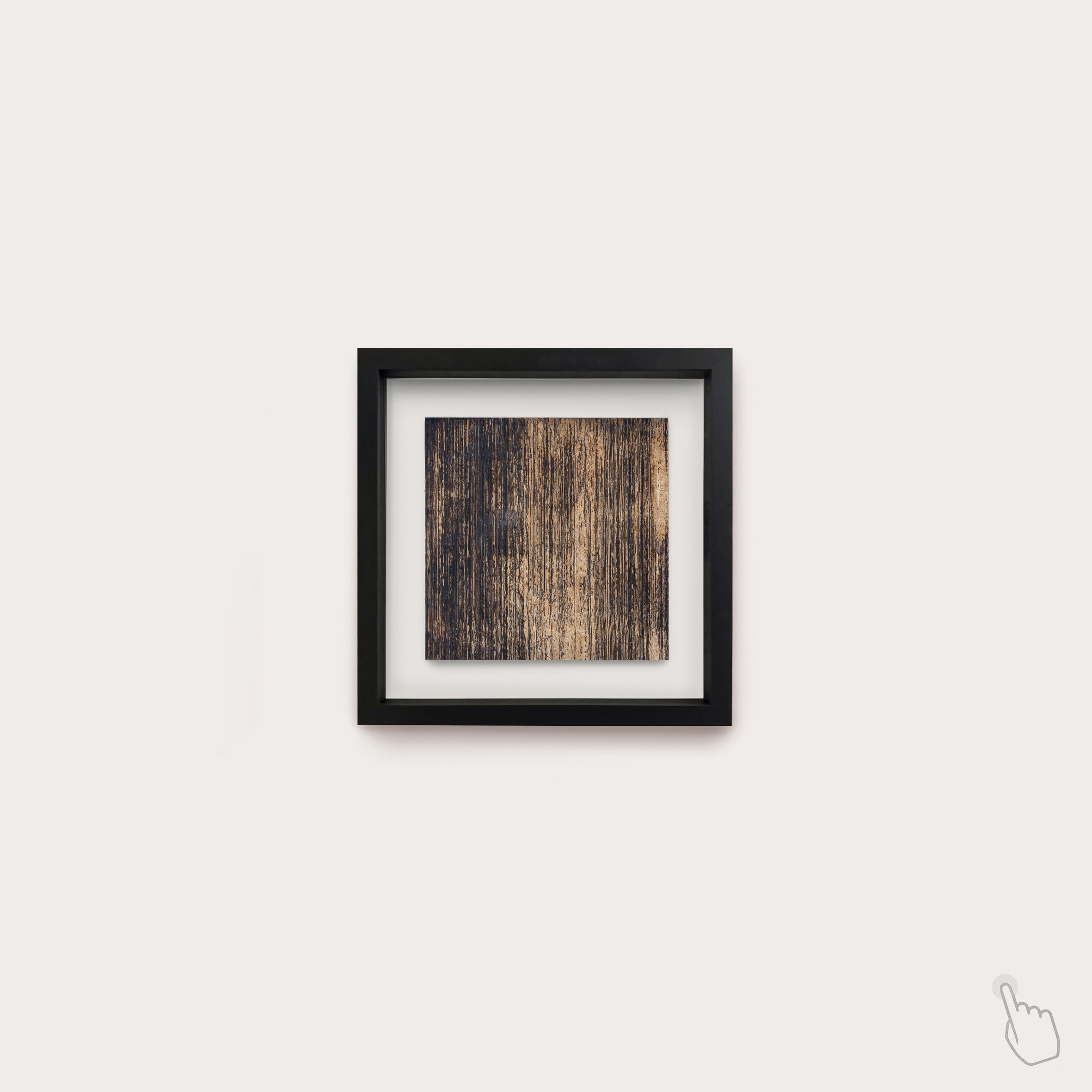
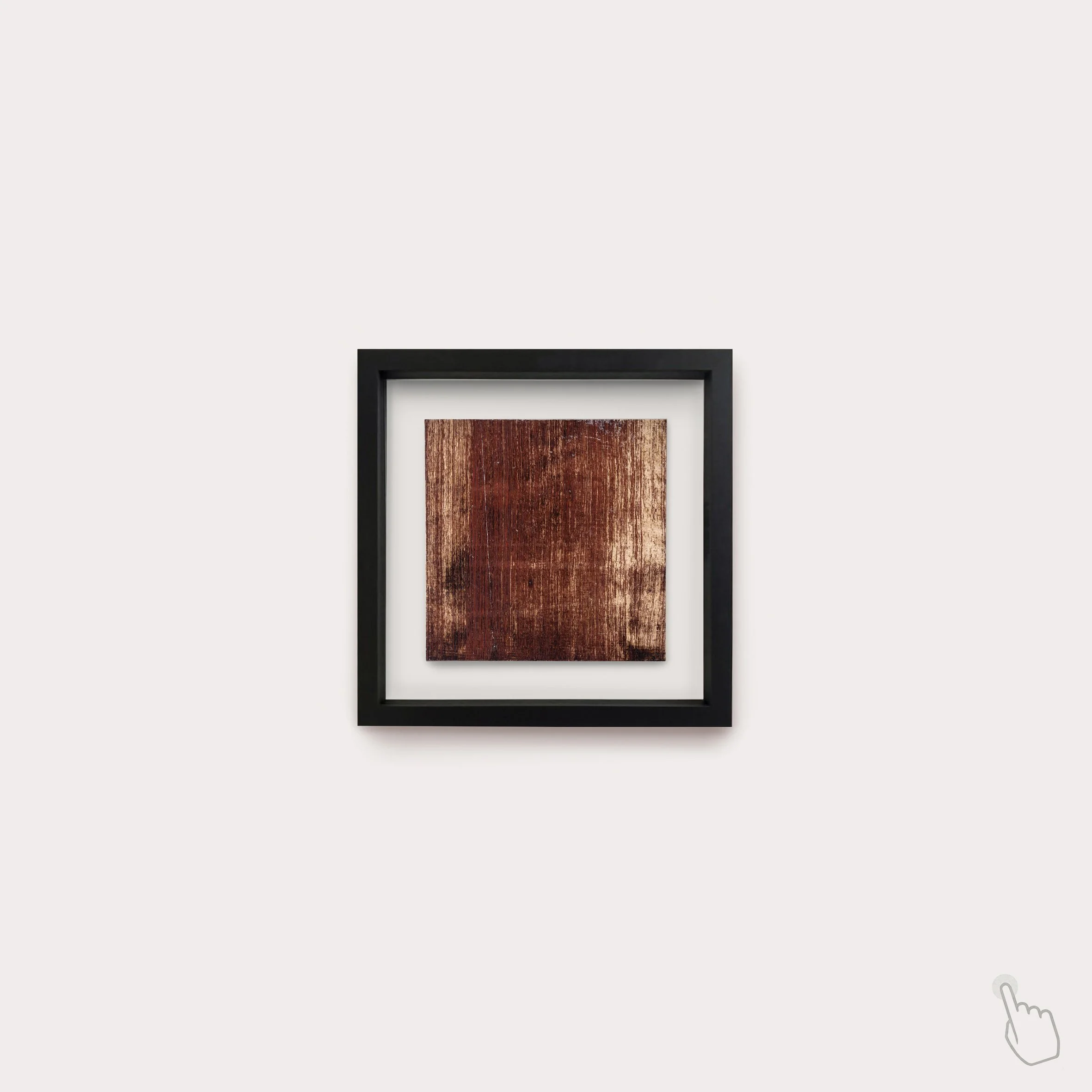
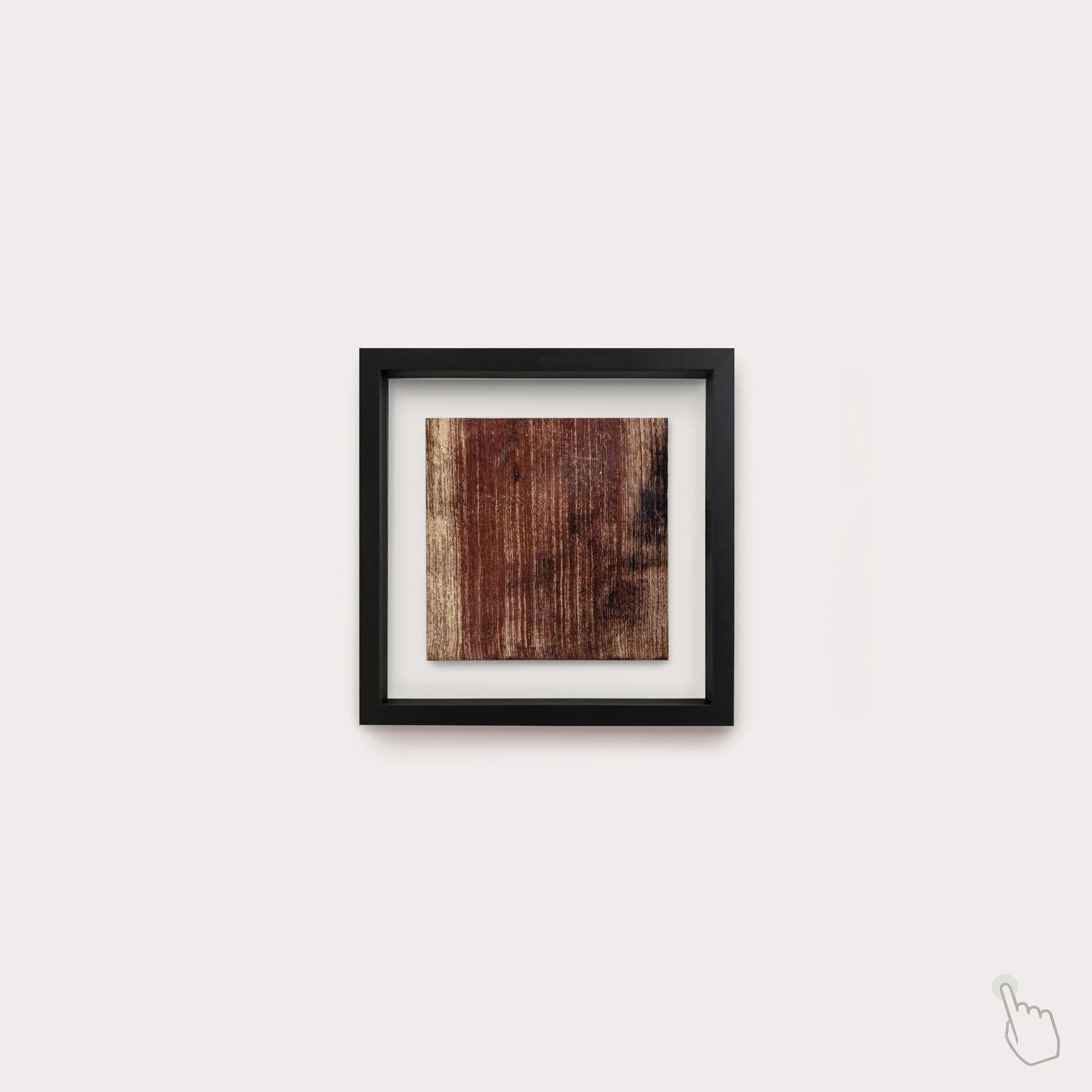
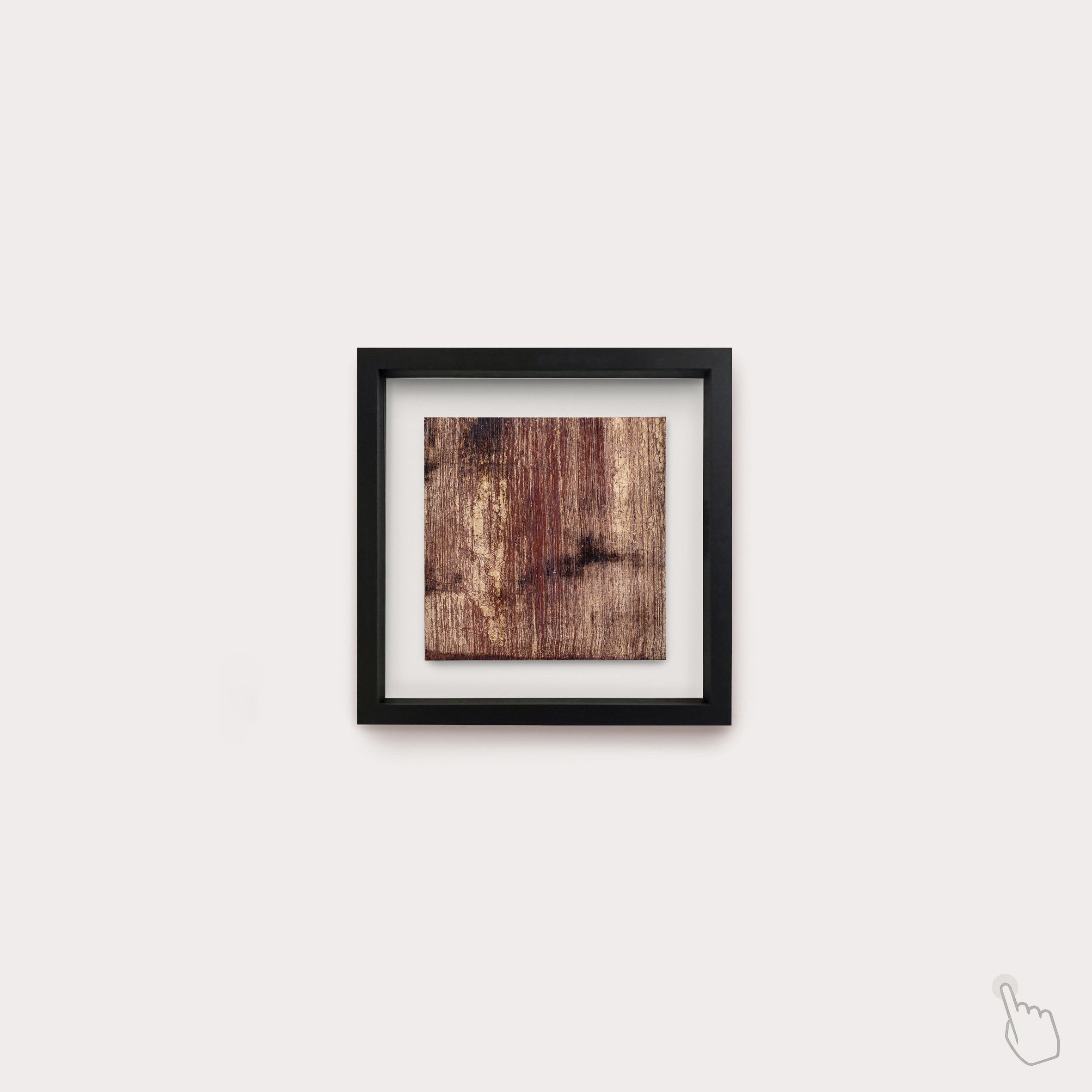
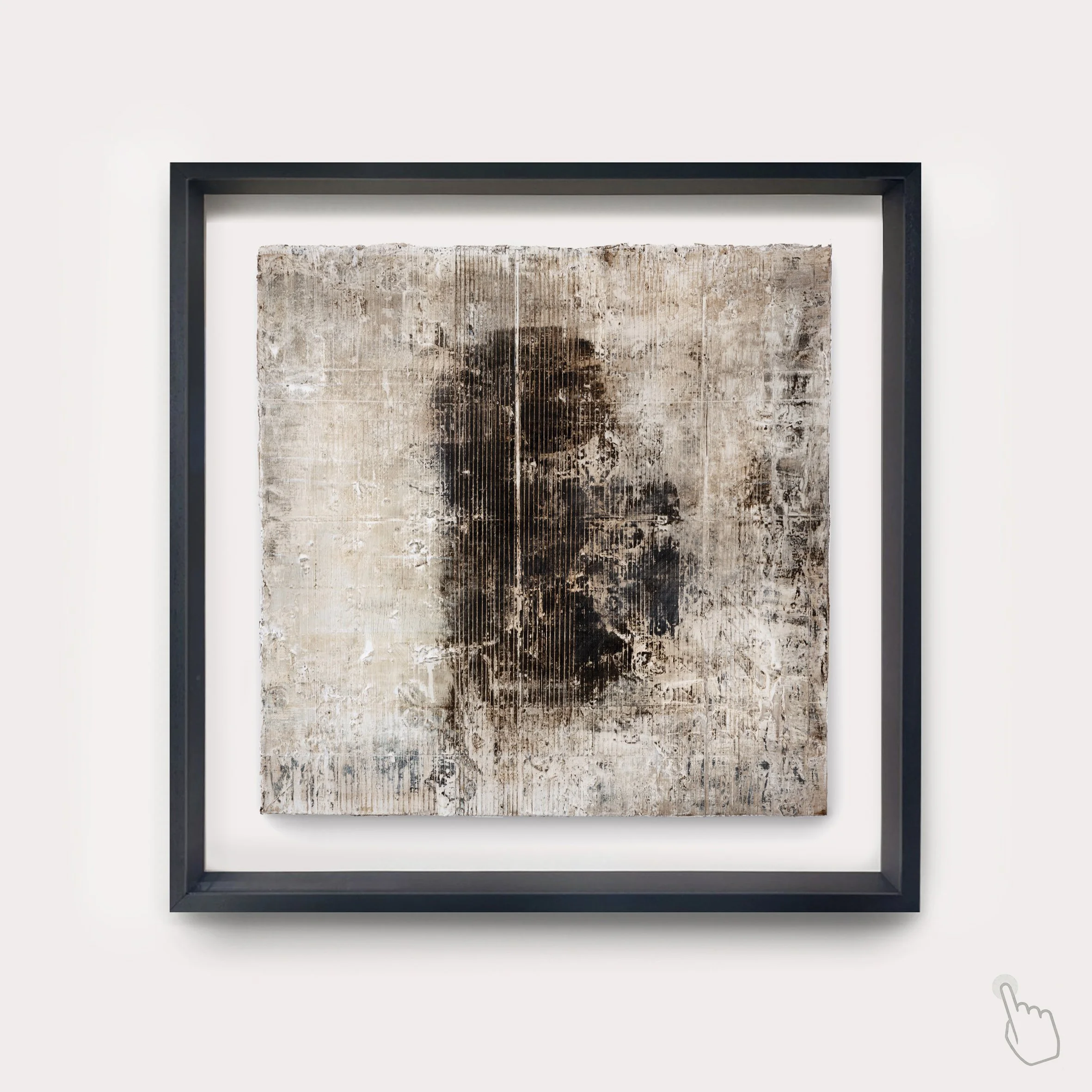
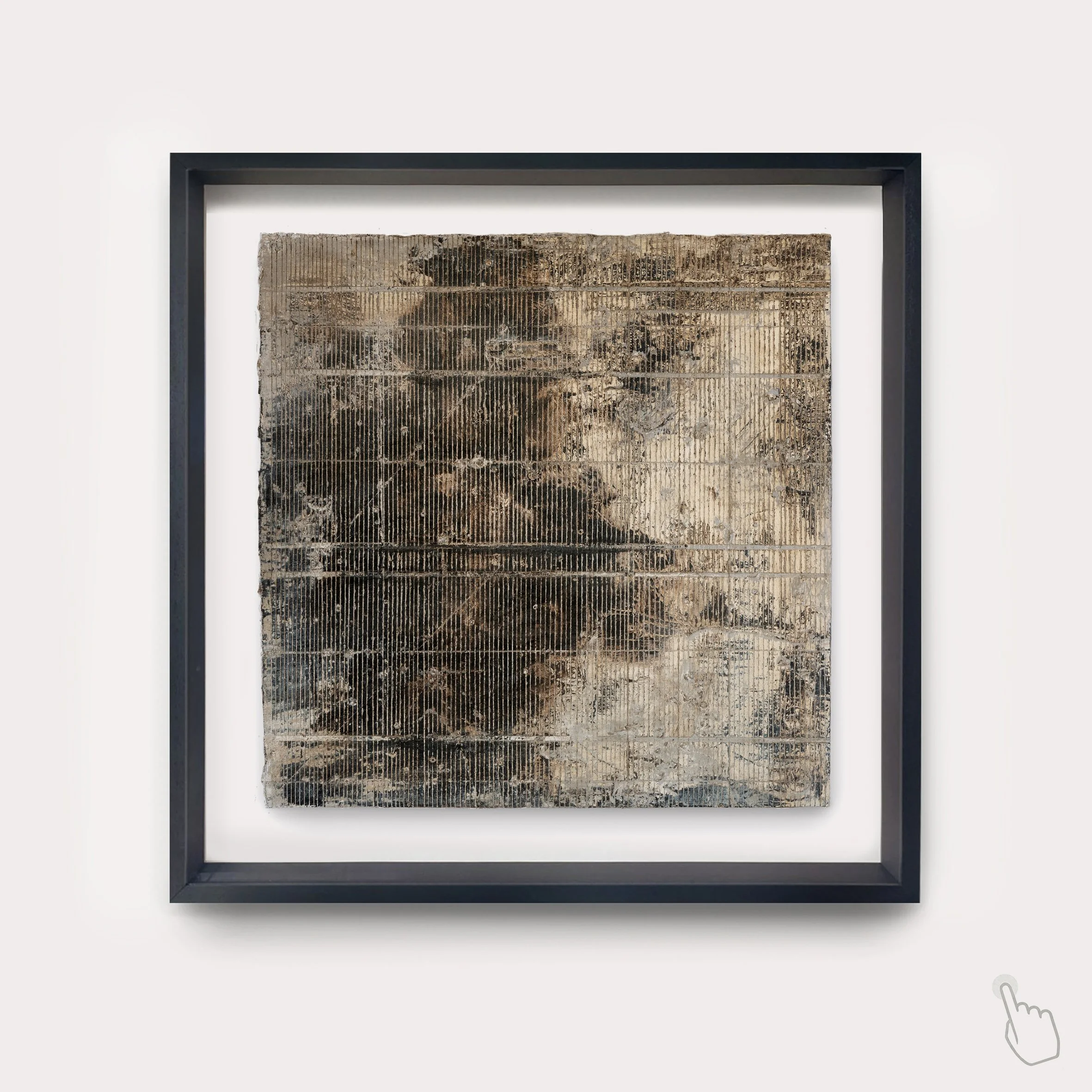
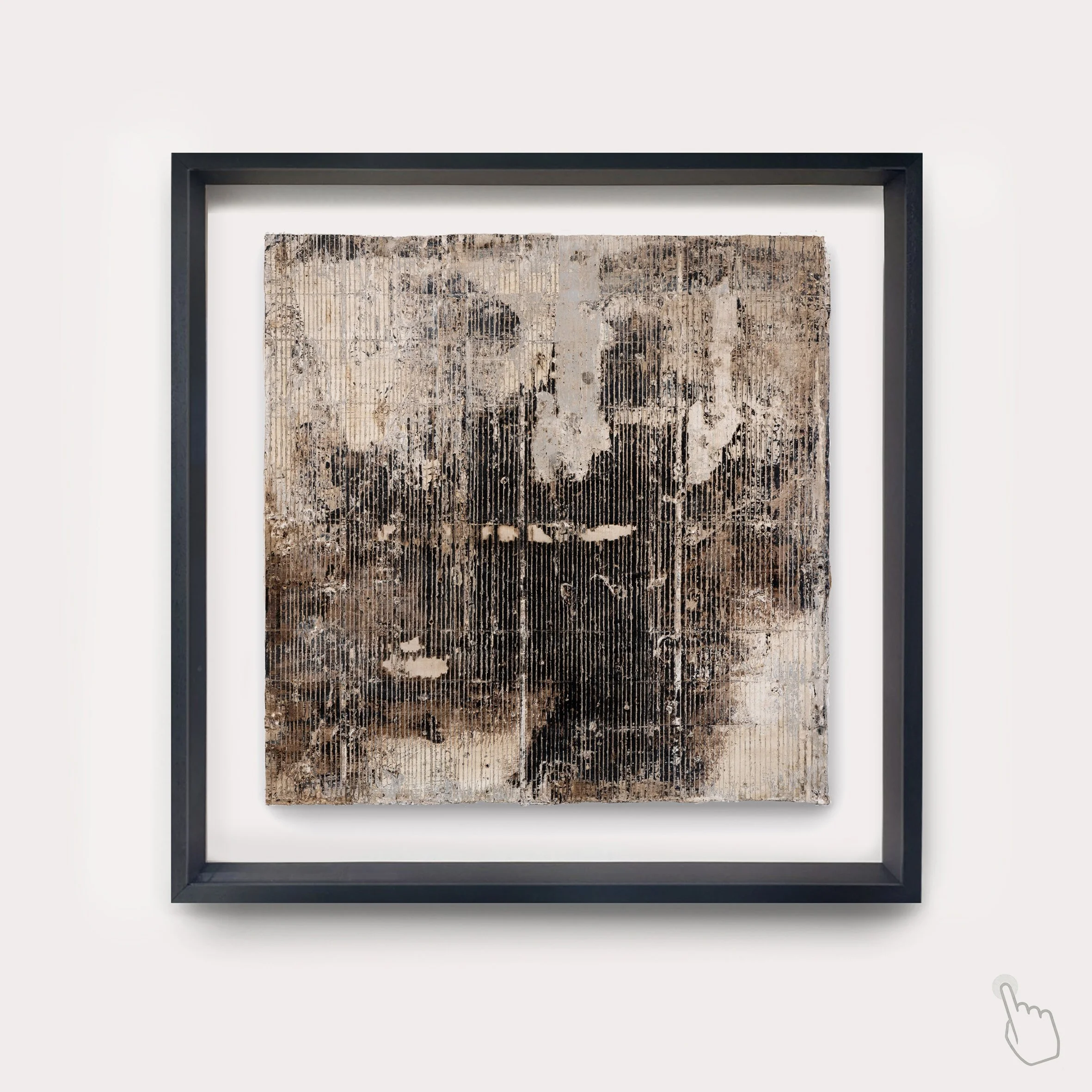
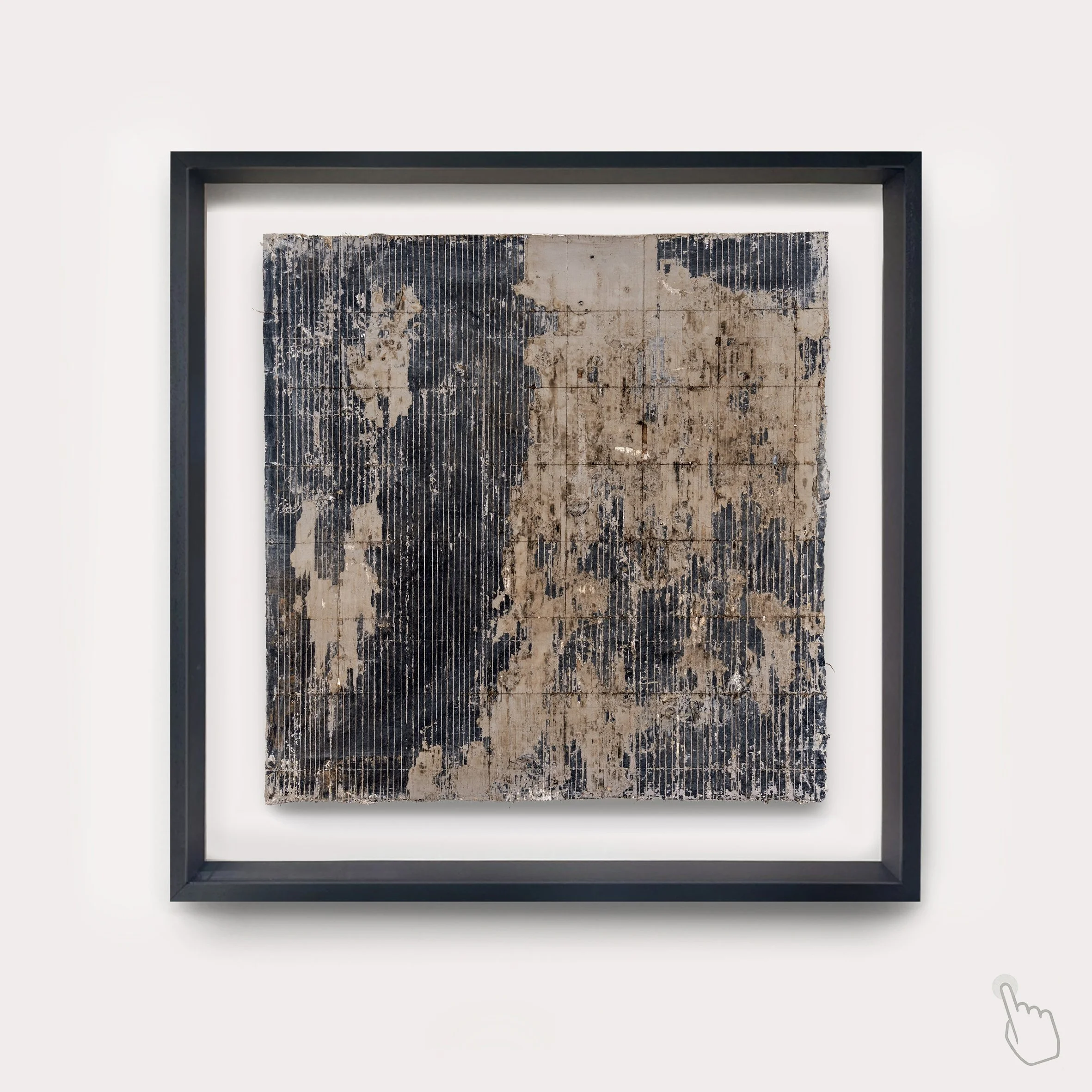
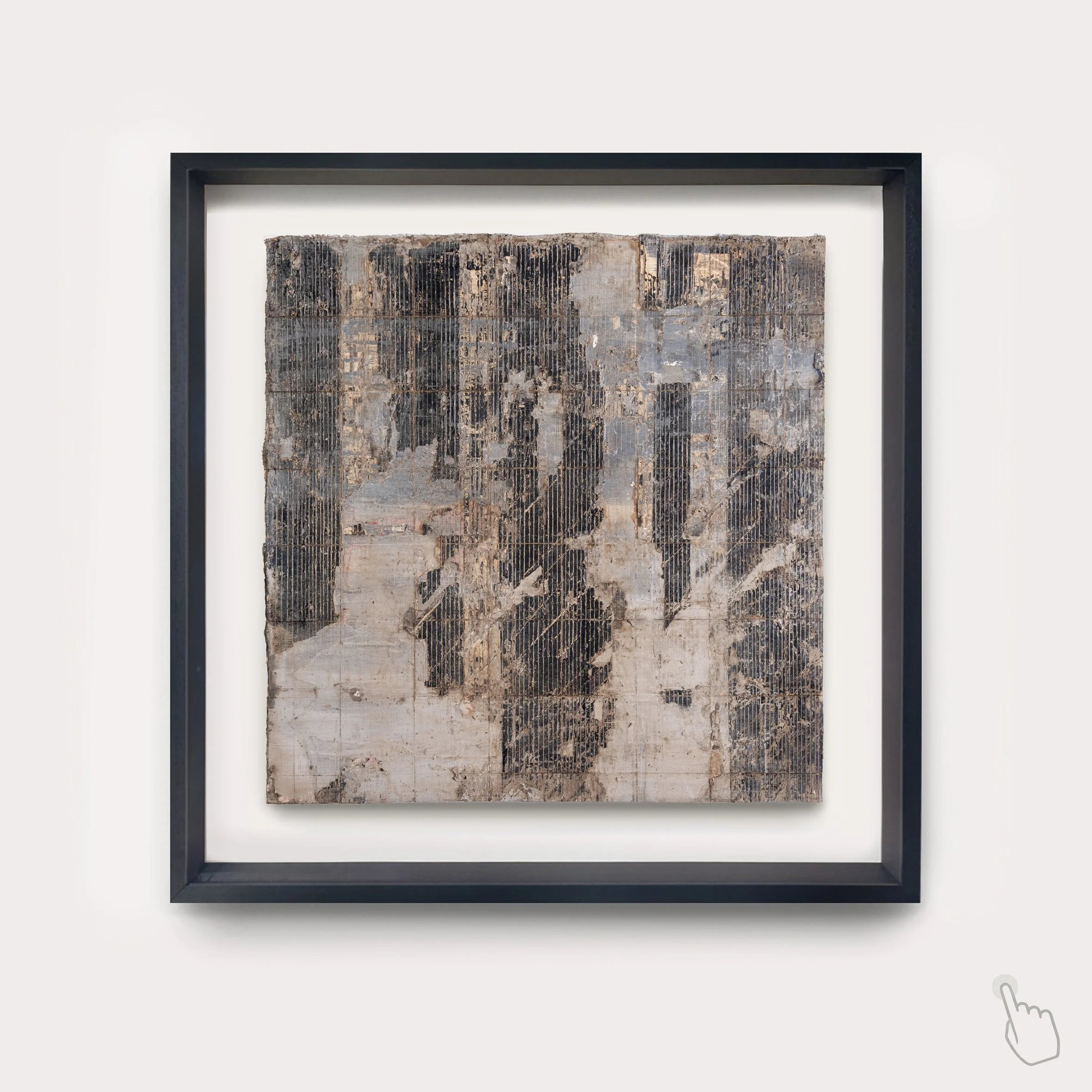
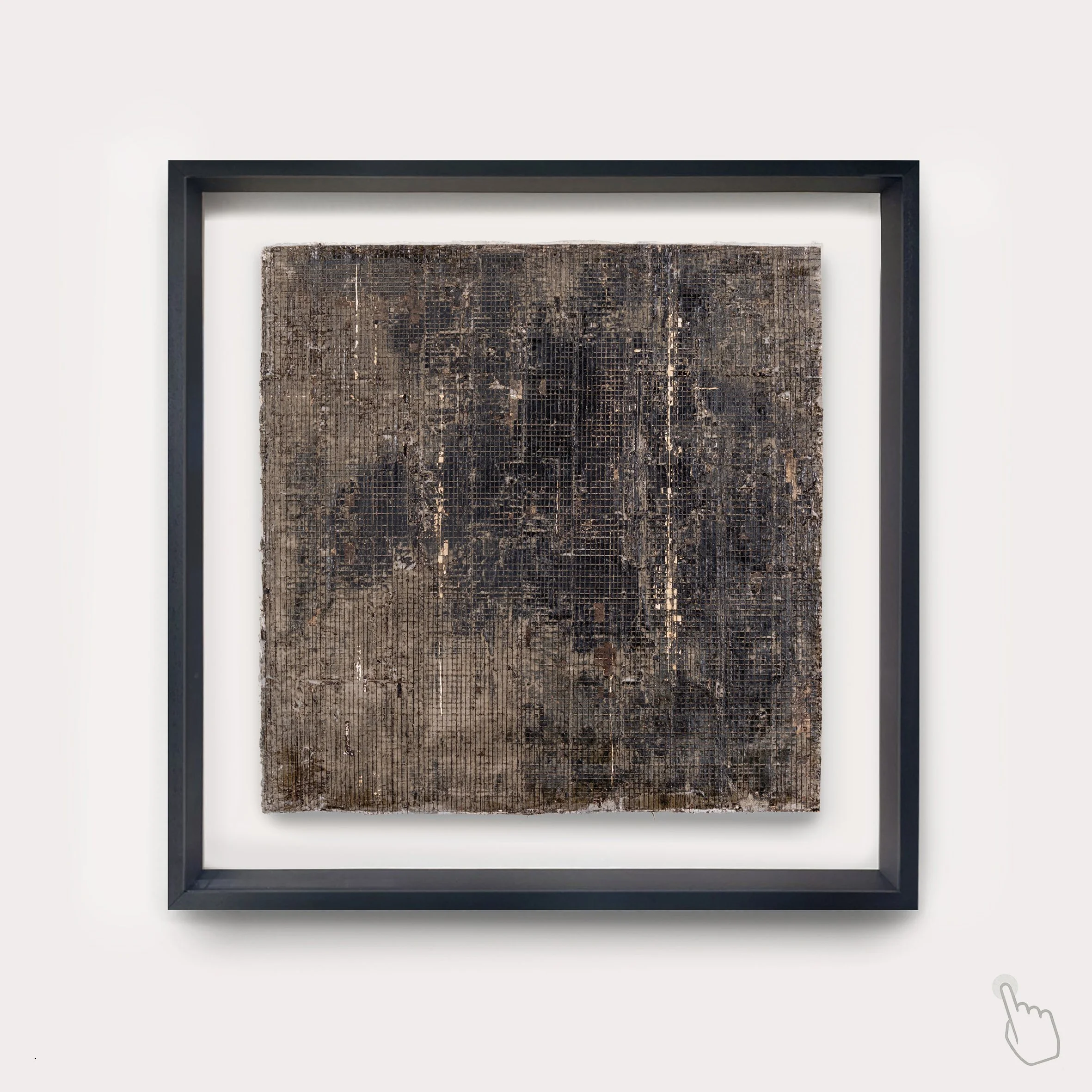
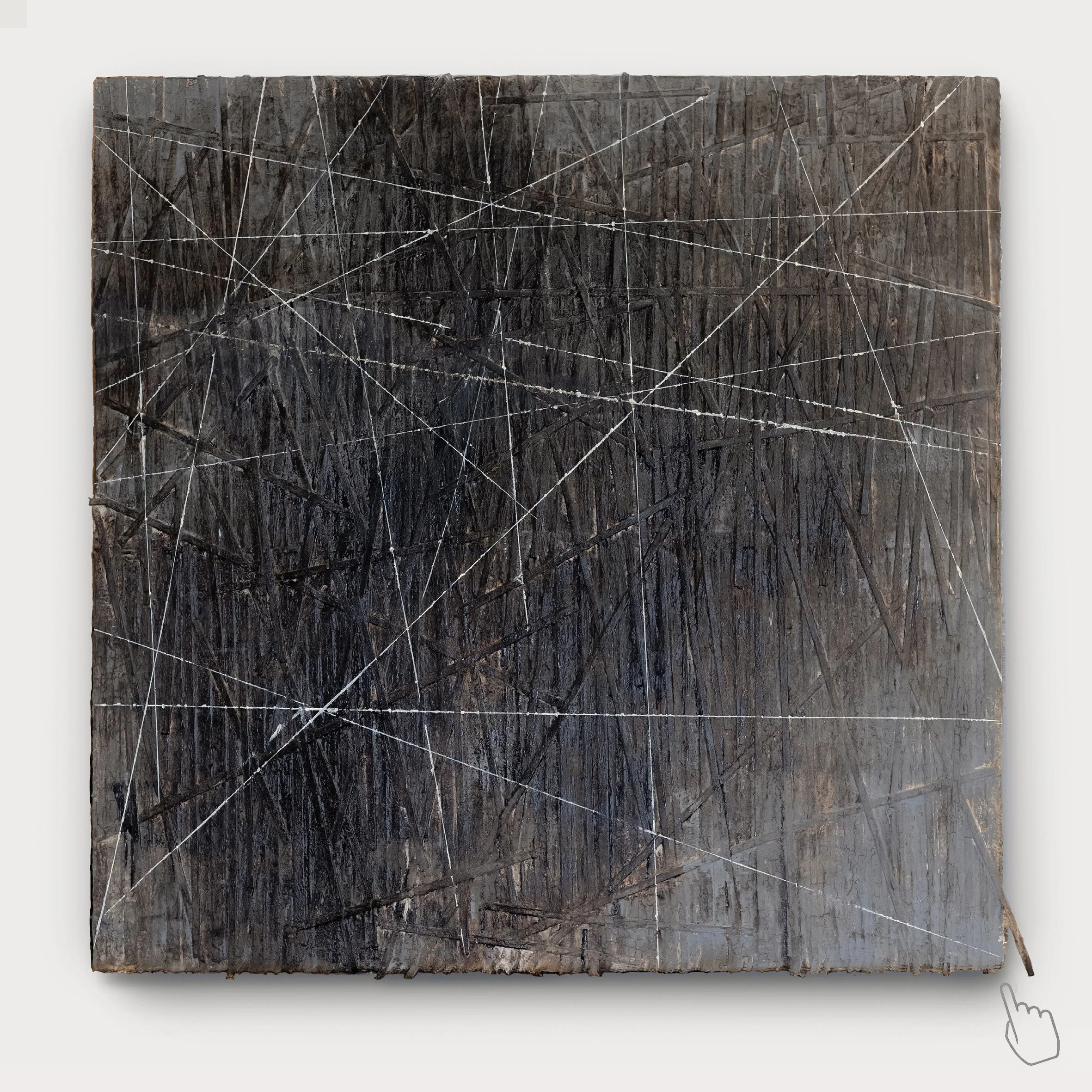
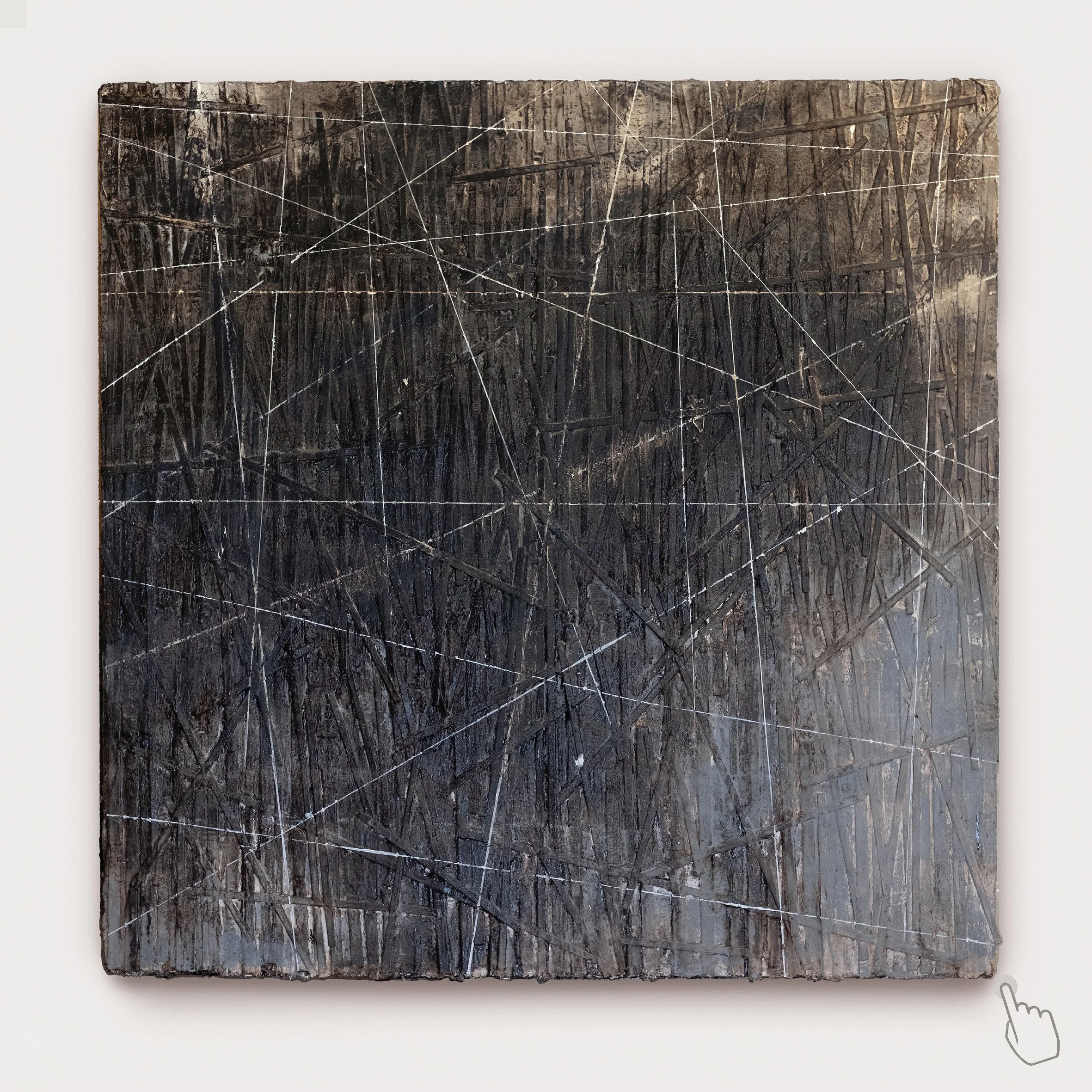
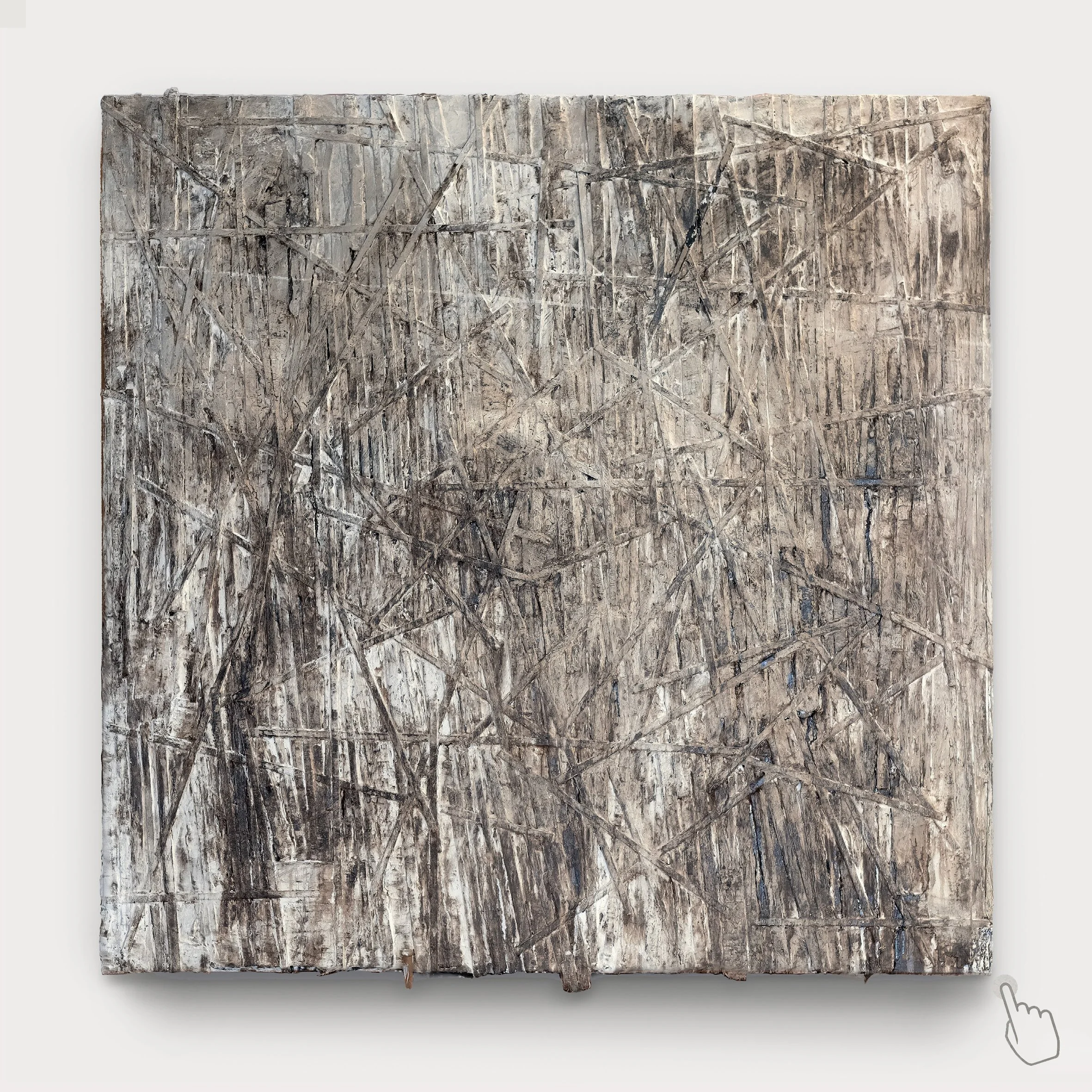
“I’m at my best when I make, and I break, and I experiment. That is when things emerge… you’re never going to move forward unless something goes astray; it’s about waiting for the accidents to happen and then responding to it—the risk is huge. I don’t want it to be about the materials; it is about the transformation where a base material is elevated into something else. I’m interested in getting to the underlying nature of things, searching for what is beneath the veneer. I’ve said to people that the artists I like most have been working on one painting their whole lives, and that is the sort of art I’m drawn to, because it is about oneself, isn’t it? Just keep working on it - working on yourself. The million things that sit behind the surface, the doubts and struggles that are in the painting… The things that I leave in the work, or that evolve in the work, are the strength of the work- the stuff about fragility, the human condition. I’m the one who is pushing them that far, finishing them, when I recognise myself in them. I don’t really like art quotes like that - I get embarrassed by it- but that’s probably the reality… I am making myself.”
BIOGRAPHY :
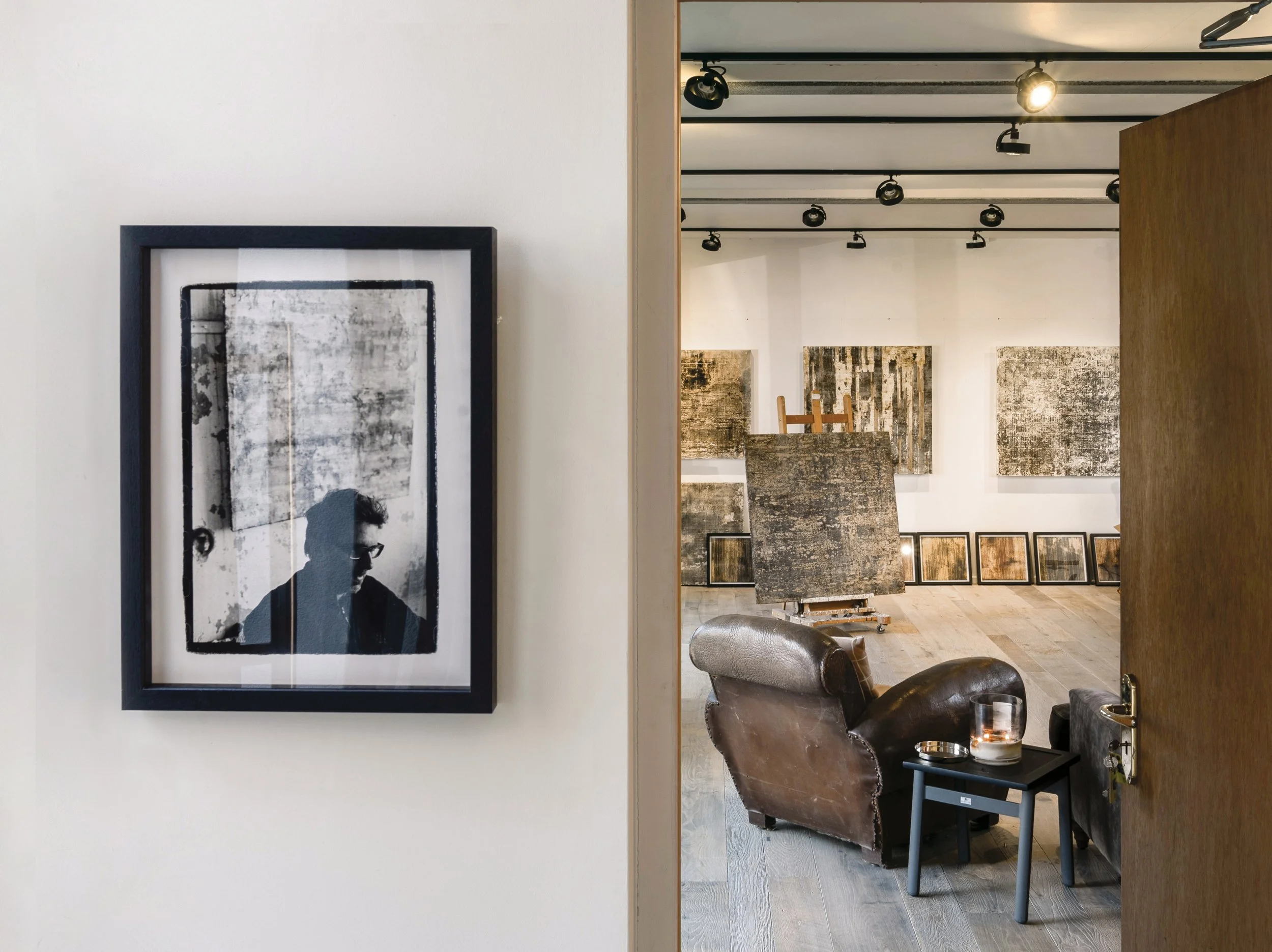
Richard Nott (1963-2025) was widely regarded as one of Cornwall’s most influential and ambitious contemporary artists. He created a singular body of work that continually pushed the parameters of painting. Nott gained his Fine Art degree at Lancashire Polytechnic and an MA in Fine Art at the University of Reading, then worked as an assistant to Andy Goldsworthy on site-specific sculptures in the Lake District. He was briefly a gallery assistant at the Royal Academy and at Oldham Art Gallery, before winning the South West Arts Visual Arts & Photography Award in 1994 and later a residency at the 12th International Weeks of Painting in Slovenia. A long-term tenant at the renowned Porthmeor Studios in St Ives, he went on to establish his own studio complex at The Forge in Hayle, and most recently worked from BayHouse Studio, overlooking St Michael’s Mount. Exhibitions were extensive and international, notably including numerous solo exhibitions at Anima Mundi over a long and intimate working relationship, Art Now Cornwall at Tate St Ives, Chashama on Avenue of the Americas in New York City and Koss Gallery in Detroit. His first Monograph, ‘Vestige’ is published posthumously by Samson & Co.
Artist : Richard Nott
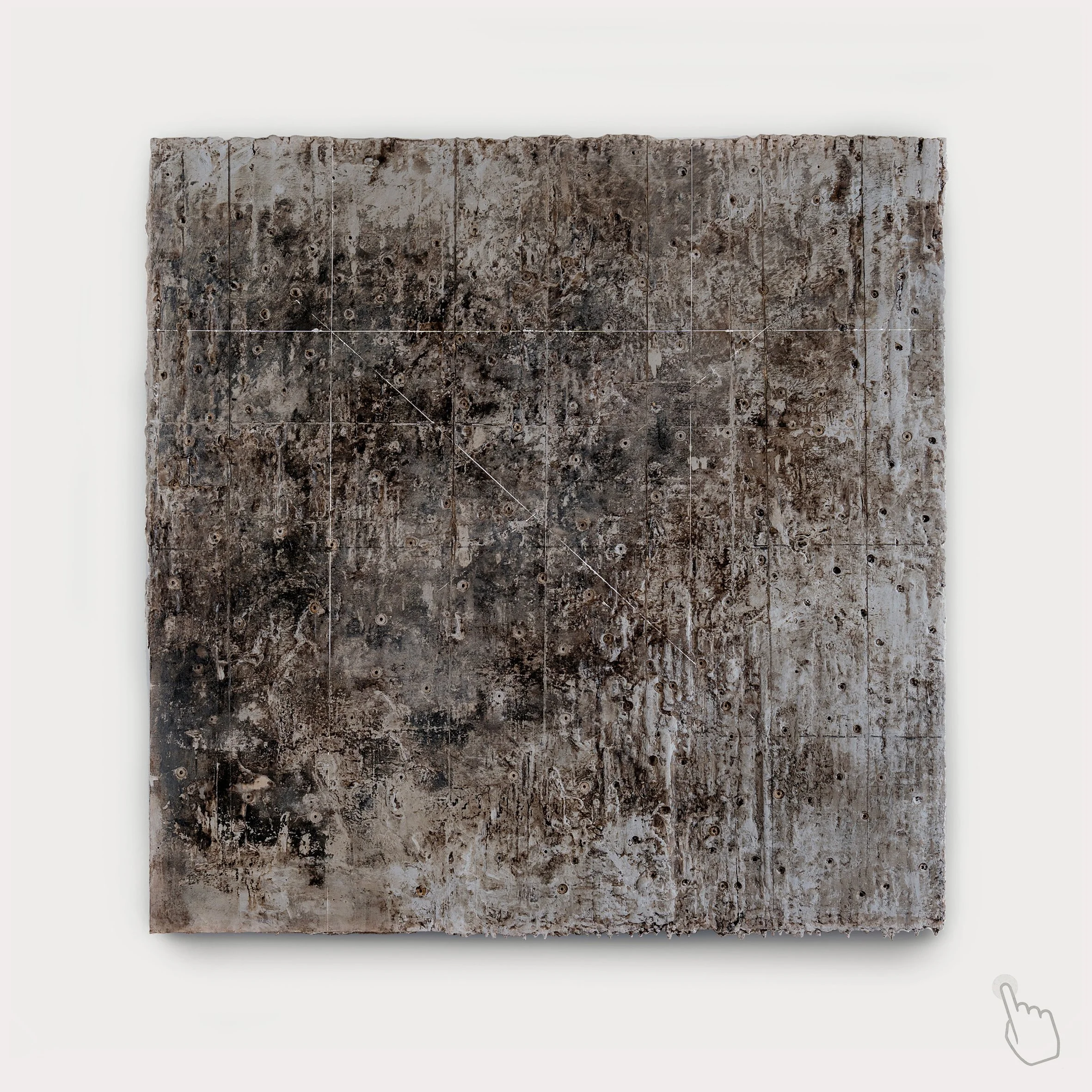
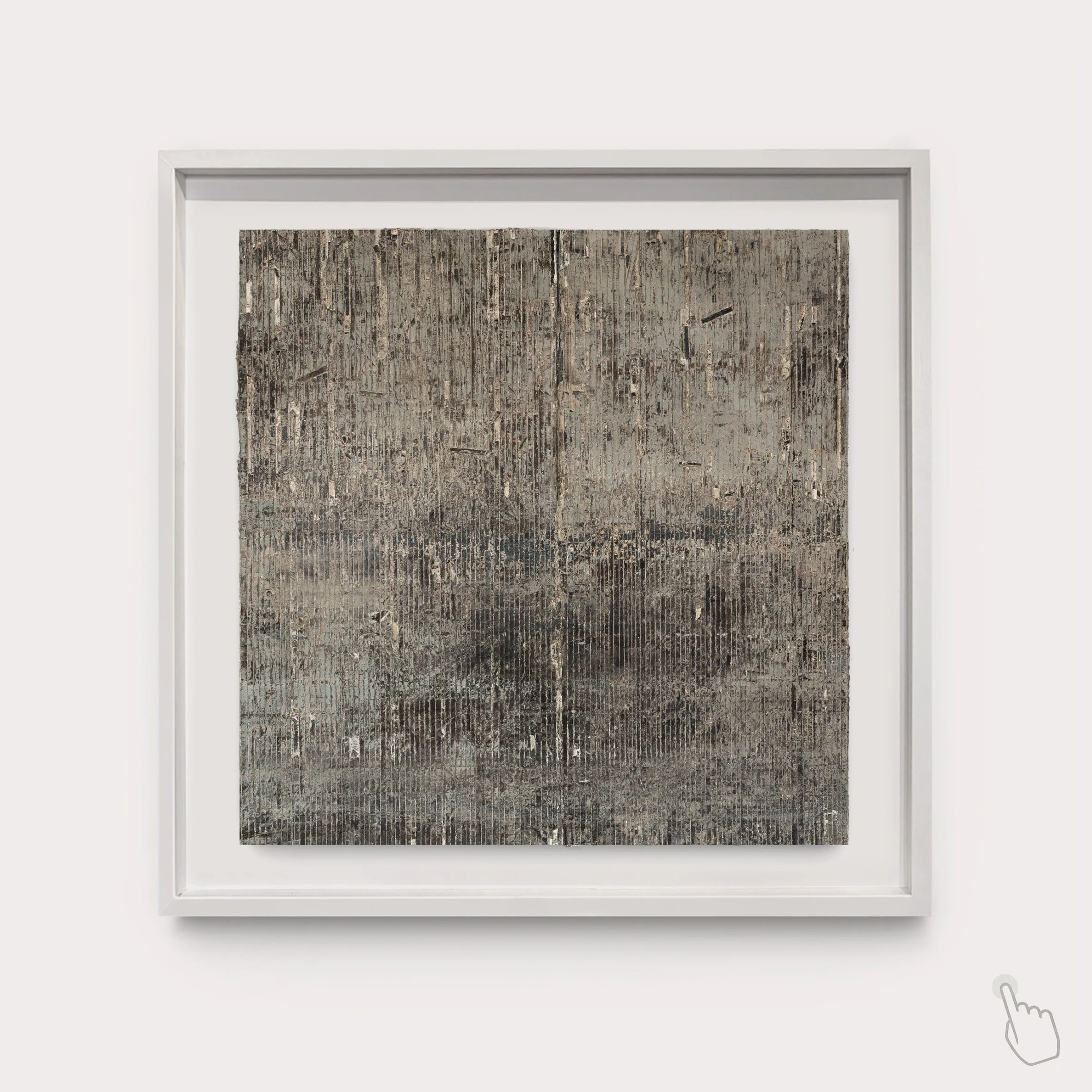
Title : Untitled (Vestige 1)
Medium : mixed media on panel
Dimensions : 123 x 123 cm
ENQUIRE ABOUT THIS WORK